
Regular visits to a dental hygienist are an important part of maintaining good oral health and helping to prevent common dental problems. While many people make hygiene appointments part of their routine oral care, understanding the general process of what happens hygienist visit can help you feel more at ease and confident before you arrive, especially if you haven’t been for a long time or this is your first appointment with a new hygienist.
A dental hygienist visit is an important part of keeping your mouth healthy and looking after your long-term oral health. As well as supporting your daily oral care routine, these appointments give you the opportunity to get professional guidance tailored to your individual needs. Over time, regular visits can contribute to healthier habits and help you maintain a healthy smile for years to come.
Scale and polish
A scale and polish is often the part of the hygiene appointment that people are most familiar with, and could well be their main reason for booking. It helps to remove plaque and tartar that can build up on the teeth over time, even when you brush and floss regularly at home.
Scaling involves carefully removing hardened tartar deposits from the teeth and around the gumline using professional ultrasonic dental instruments. After this, the teeth are polished with another instrument to help remove surface stains and leave them feeling smooth and clean.
The amount of scaling needed will vary from person to person, as some people will only have a small amount of build-up, while others require more extensive cleaning. A dental hygienist will tailor the treatment to your individual needs and the condition of your teeth and gums.
Guided Biofilm Therapy
Some dental practices offer Guided Biofilm Therapy (GBT), a modern approach to professional teeth cleaning that focuses on removing biofilm, a soft layer of bacteria that naturally builds up on the teeth and gums throughout the day.
The treatment uses a combination of air, warm water, and fine cleaning powder to gently clean the teeth and gumline. However, it cannot remove hardened tartar, so it is most effective when used in combination with scale and polish treatment for teeth cleaning.
Gum disease management
If you have signs of gum disease, your dental hygienist can help you manage the condition and improve your gum health with treatment designed to reduce the build-up of plaque and bacteria that can irritate the gums and lead to inflammation.
Depending on the severity of the condition, a periodontal deep clean, which is more thorough than a scale and polish or GBT, may be needed to remove plaque and tartar from around the gumline and other hard-to-reach areas. The exact treatment will depend on your individual needs and the condition of your gums.
Managing gum disease is often an ongoing process rather than a one-off treatment, so you’ll need to prepare for regular appointments to allow your hygienist to keep an eye on your gum health, see how it’s responding to treatment, and help stop it from getting any worse.
Preventive treatments
As well as helping to keep your teeth and gums clean, a dental hygienist may recommend preventive treatments to help reduce the risk of future dental problems by protecting teeth and supporting your long-term oral health.
One example is fluoride treatment, as fluoride helps strengthen tooth enamel and make it more resistant to decay. It is applied directly to the teeth and can be particularly helpful for people who are more prone to cavities.
Fissure sealants are another simple way to help prevent problems. These thin protective coatings are placed on the chewing surfaces of the back teeth, where deep grooves can be harder to clean during brushing. By sealing these areas, fissure sealants help lower the chance of tooth decay forming in parts of the mouth that are harder to clean.
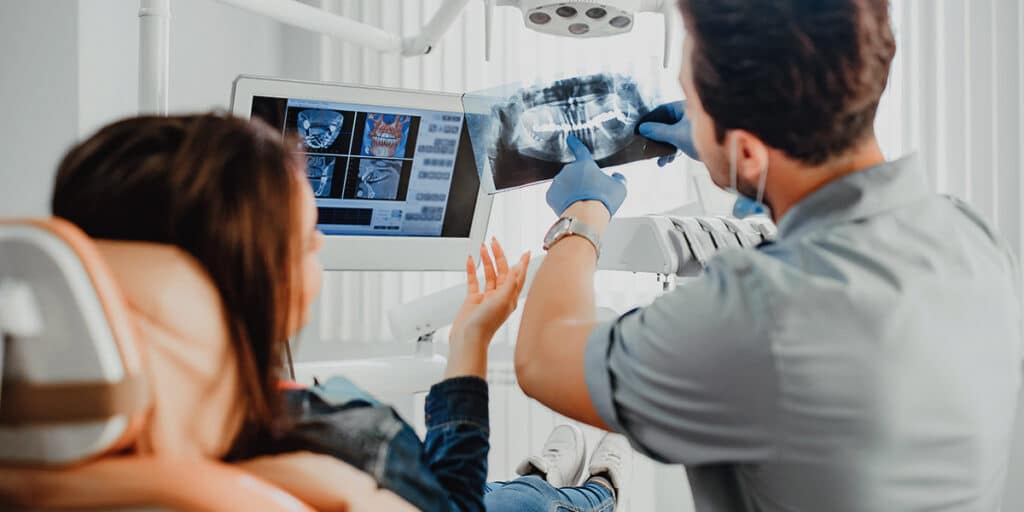
X-rays, imaging, and screening
In some cases, X-rays or other dental images may be taken as part of your care to help your dentist and/or hygienist see areas that cannot be fully examined with the naked eye, providing a more complete picture of your oral health.
X-rays can help identify problems that may not be causing symptoms yet, such as decay between the teeth or changes below the gumline. Not every appointment will involve these, as they are only taken when needed to support accurate diagnosis and treatment planning.
Screening checks may also be carried out to look for any unusual changes in the mouth, including signs of oral cancer. These are an important part of preventive dental care and can help ensure that any concerns are identified as early as possible.
Patient education
A dental hygienist visit is also an opportunity to learn more about caring for your teeth and gums at home. Even small changes to your daily routine can impact your oral health over time.
During your appointment, your dental hygienist may discuss your current oral hygiene habits and answer any questions you have. Based on what you say, they will then offer tailored advice to help you understand what is working well and where improvements could be made.
This guidance is designed to help you feel more confident when it comes to looking after your oral health between appointments. By building good habits at home, you can help keep your teeth and gums healthy in the long term.
Dental hygienist vs. dental therapist
You might have seen both dental hygienists and dental therapists as job titles and wondered if they are the same job or not. While their work can be similar, and both help you look after your oral health, there are some key differences in what they are trained to do.
A dental hygienist mainly focuses on preventing and managing oral health problems, including:
- Cleaning teeth to remove plaque and tartar
- Helping to manage and support gum health
- Applying fluoride and other preventive treatments
- Giving advice on looking after your teeth and gums
- Checking the health of your mouth during routine visits
A dental therapist can do all of the above, but they are also trained to carry out some additional treatments, such as:
- Filling teeth for both children and adults
- Treating and restoring children’s teeth
- Removing loose baby teeth
- Taking impressions for dental work
Which professional you see will depend on the treatment you need, and your dental practice will be able to guide you to the most appropriate appointment.
Get ready for your next hygiene appointment
At Fulham Road Dental, we understand that everyone’s teeth are different, and that alignment can range from small spacing issues to more complex crowding. Each case needs a slightly different approach, based on how the teeth sit and work together.
Keeping your teeth and gums in good condition makes a real difference to long-term oral health, especially when spaces are tight or teeth are not perfectly aligned. Regular hygiene visits help keep everything feeling fresh and supported, alongside any other dental care you may need.
We look forward to seeing you at your next appointment and helping you take the next step in looking after your smile.
FAQs
Do I need a referral to book a hygienist appointment?
You do not usually need a referral to book a dental hygienist appointment in the UK. In most cases, you can arrange this directly with a dental practice, whether you are attending privately or already registered there. Availability can vary slightly depending on the practice and how their appointments are organised locally in general.
A referral may only be needed in certain NHS situations or specific treatment pathways. Sometimes a dentist will recommend seeing a hygienist as part of your care, but you can often still book an appointment yourself without going through a formal referral process in everyday practice.
What happens if I need more treatment than the hygienist can provide?
If your dental hygienist finds that you need treatment beyond their scope, they will explain this to you clearly and in a calm way. You may be referred to a dentist within the same practice, or asked to book a separate appointment. This helps make sure you get the right level of care for your needs.
The dentist will then take a closer look at your teeth and gums and talk you through the best treatment options. This could include further cleaning, fillings or other dental work if needed. Your hygienist and dentist will work together to support your ongoing oral health.
Will I still need to go for regular check-ups if I visit the hygienist regularly?
Regular visits to a dental hygienist are an important part of keeping your mouth healthy, but they do not replace routine dental check-ups. A dentist carries out a full examination of your teeth, gums and mouth, and can spot problems that may not be obvious during a hygiene visit.
Both appointments work together to support your oral health in different ways. The hygienist focuses on cleaning and prevention, while the dentist checks for any changes or issues that may need treatment. Seeing both regularly helps make sure any problems are picked up early and managed before they become more serious.