
Most people have booked a dental check-up at some point and wondered why it costs what it does. After all, the appointment itself can feel relatively quick, especially when everything seems healthy. From a patient’s perspective, it can sometimes be difficult to see exactly what they’re paying for.
The reality is that the dental check up cost breakdown covers much more than the time spent sitting in the chair. A lot happens behind the scenes, and much of the value comes from things that are easy to overlook because they are simply expected to be there. As with many professional services, the work that patients don’t see is often just as important as the part they do.
When you look beyond the appointment itself, it becomes easier to appreciate the value that regular dental care provides and why it remains such an important investment in your long-term oral health.
Skill and expertise of your dentist
One of the main things you are paying for during a dental check-up is the knowledge and experience of your dentist. While the appointment may only last a short time, becoming a qualified dentist takes years of education, training and hands-on experience. Those years of learning help dentists provide safe, effective care and make informed decisions about your oral health.
Dentists also continue developing their skills throughout their careers. Ongoing training helps them stay up to date with new research, techniques and professional standards, ensuring patients receive the best possible care.
In many ways, you are not just paying for the time spent in the chair, but for the years of expertise behind it. That professional knowledge is a key part of the value of every dental check-up.
Equipment
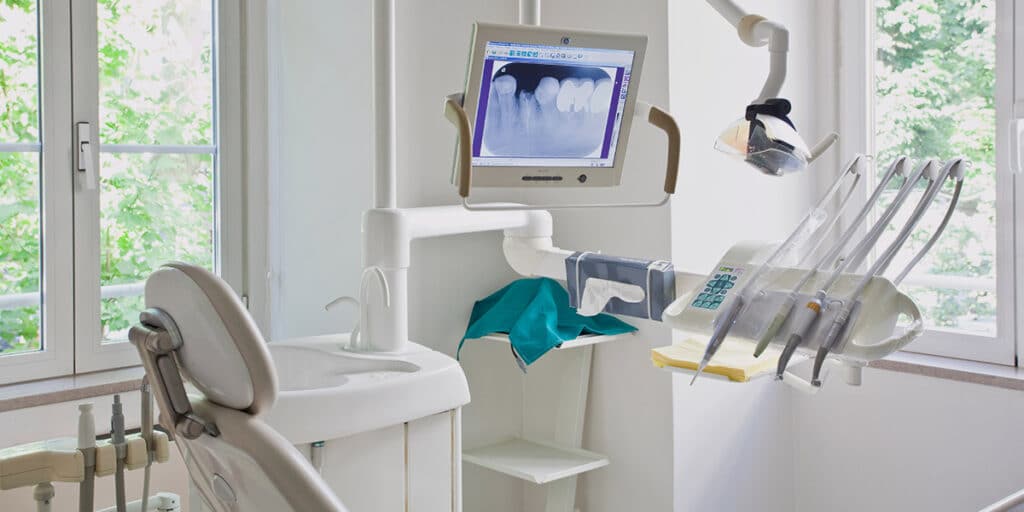
When you visit a dental practice, it is easy to focus on the appointment itself and overlook everything around it. However, the equipment used every day is an important part of the service you receive. Dental practices invest in a wide range of equipment to help support patient care, and these tools need to be regularly maintained, serviced and updated.
While these investments help ensure appointments can be carried out efficiently and to a high standard, the equipment represents a significant ongoing cost for any practice. Plus, like any technology, it needs to be kept in good working order and, eventually, replaced.
While patients may not always notice the equipment behind the scenes, it plays a key role in the day-to-day running of a dental practice. As a result, it forms part of the overall cost of a dental check-up.
Tailored experience
One of the advantages often associated with private dentistry is the ability to offer a more personalised experience. Private dental practices can often provide longer appointment times, giving dentists more opportunity to focus on each patient as an individual rather than working to tighter time constraints.
This extra time allows patients to discuss any concerns, ask questions and have more detailed conversations about their oral health. It can also help create a more relaxed environment, where patients do not feel rushed through their appointment.
For many people, this personalised approach is an important part of the value of private dental care. Longer appointments give dentists more time to get to know their patients and to provide care tailored to their individual needs and circumstances.
Treatment planning
A dental check-up is about more than simply spotting problems. It also gives your dentist the chance to plan ahead and help you maintain good oral health. Using their knowledge and clinical experience, they can assess your current situation, identify any potential concerns, and, if there is anything they don’t like the look of, recommend the most appropriate next steps.
The recommendations you get will depend entirely on your oral health and personal circumstances. For example, your dentist may suggest:
- A hygiene appointment if there is a build-up of plaque or tartar, or if there are signs of gum disease that need professional attention.
- A filling if a cavity is developing or a tooth has been damaged and needs restoring.
- A crown if a tooth is weakened, heavily filled, or at greater risk of breaking.
- Root canal treatment if infection has reached the inner part of a tooth and needs to be treated to save it.
- An extraction if a tooth is severely damaged, infected and/or cannot be saved.
- Orthodontic treatment if there are issues with tooth alignment or your bite that could affect oral health or appearance.
- Teeth whitening if you are unhappy with staining or discolouration, and would like to improve the appearance of your smile.
- Dental implants, bridges, or dentures if one or missing teeth need replacing to restore function and appearance.
Even when no treatment is required, there is still value in the planning process. Your dentist may choose to monitor certain areas over time, track changes in your oral health, and provide advice to help prevent problems from developing. This forward-thinking approach is an important part of a dental check-up and one of the reasons it offers value beyond the appointment itself.
Preventive care
Another of the biggest benefits of a dental check-up is that it helps prevent problems before they have a chance to become more serious. Most people would rather avoid more invasive dental treatment where possible, and regular check-ups play an important role in making that more likely.
By seeing your dentist regularly, small changes can be picked up early and monitored before they develop into larger concerns. This allows patients to take action sooner, often helping them avoid the need for complex treatment further down the line, as well as giving dentists the chance to offer practical advice that supports good oral health between appointments.
For many patients, the best outcome of a check-up is being told that everything looks healthy. Even when no treatment is needed, there is real value in the reassurance that comes from knowing you’re on the right track with your oral health.
Book your next check-up knowing what you’re getting
It’s easy to look at a dental check-up and focus only on the time you spend in the chair. However, as we have explored throughout this article, there is much more behind every appointment than many people realise.
At Fulham Road Dental, we want patients to feel confident about the care they receive and understand what they are paying for. From the knowledge and experience of your dentist to the care, attention, and planning that support each visit, a check-up is designed to provide value in ways that are not always visible.
When the time comes to book your next check-up, you can do so with a clearer understanding of what goes into the appointment and why regular dental care remains such an important part of looking after your smile.
FAQs
Will I always need treatment after a check-up?
Many people assume that a dental check-up will lead to treatment, but that is often not the case. If your teeth and gums are healthy, your appointment may simply end with the reassurance that everything looks good. For many patients, that peace of mind is one of the most valuable parts of attending regularly.
If your dentist does spot a concern, it does not always mean treatment is needed straight away. In some cases, they may simply recommend keeping an eye on the area at future appointments. If treatment is required, they will explain their findings and discuss the available options, helping you decide what is right for you.
What makes a private dental check-up different?
One of the main differences with a private dental check-up is the amount of time available during your appointment. Private dentists can often offer longer appointments, giving you more opportunity to ask questions, discuss concerns and have a detailed conversation about your oral health without feeling rushed throughout the visit.
This extra time can make the experience feel more personal and relaxed. Rather than focusing only on the check-up itself, your dentist can take the time to get to know you, understand your priorities and provide advice that is tailored to your individual needs. Patients often appreciate this approach.
Do I need to prepare anything before going for a dental check-up?
There is usually very little you need to do before a dental check-up. Most patients simply attend their appointment as normal. However, it can be useful to think about any questions, concerns or changes in your oral health that you would like to discuss with your dentist during the visit.
If it is your first appointment at a new practice, you may need to provide some extra information. This could include details about your medical history, any medications you take and your previous dental care. Bringing this information with you can make the process smoother and help your dentist get a better understanding of your needs from the outset.