
For many people, booking a dental appointment can come with a mixture of feelings, whether that’s confident and ready to get started with a new treatment plan or a little nervous if you are not sure what to expect, or what the outcome might be. However, taking that step to learn about your first dental appointment what to expect is an important part of looking after your oral health.
If it’s been a while since your last visit to a dentist, or you’re going to a new practice for the first time, it’s natural to have a few questions about things like how the appointment will feel, what they should bring with them, and if there is anything they need to do before they arrive. Having a clearer idea of the process can make the overall experience feel much less intimidating.
The good news is that dental teams, including our team at Fulham Road Dental, are used to welcoming new patients. Their aim is to help you feel comfortable, informed, and supported from the moment you arrive, making it easier to build confidence in your dental care for years to come.
Why your first dental visit is important
It’s completely normal to feel a little nervous before your first dental appointment. Whatever the reason for your nerves, it can be helpful to know that a first visit is usually a relaxed opportunity to meet the dental team, share any concerns about your oral health you may have, and start getting familiar with the practice.
A key part of the appointment is building a clear understanding of your teeth. The dentist will usually ask about your dental and medical history, any medications you take, and whether you have noticed any problems with your teeth, gums, or mouth. Even if you are not currently experiencing any issues, this information helps create an accurate record of your dental health.
Your first visit also helps establish a foundation for future appointments. By getting important information at the beginning, the dental team can keep your records up to date and make sure that any future care is based on a clear understanding of your needs and dental history.
What to expect when you arrive
When you get to the dental practice for your first appointment, you’ll usually be asked to fill in some paperwork if you’ve not already done so online. While it may seem routine, providing this information helps the dental team understand your health background and make sure that your details are all correct.
Before anything else takes place, you will normally have the chance to talk about any concerns or questions you may have. You might be experiencing a specific problem, looking for advice about your oral health, or are interested in improving the appearance of your smile. This is also a good opportunity to explain what has brought you to the practice and what you hope to achieve with the help of the practice.
Your first visit is also a chance to become familiar with the practice itself. You may meet different members of the dental teams and get a feel for how the practice works. For many people, simply knowing who they will be seeing and where to go can make future appointments feel much more comfortable and straightforward.
Your dental examination
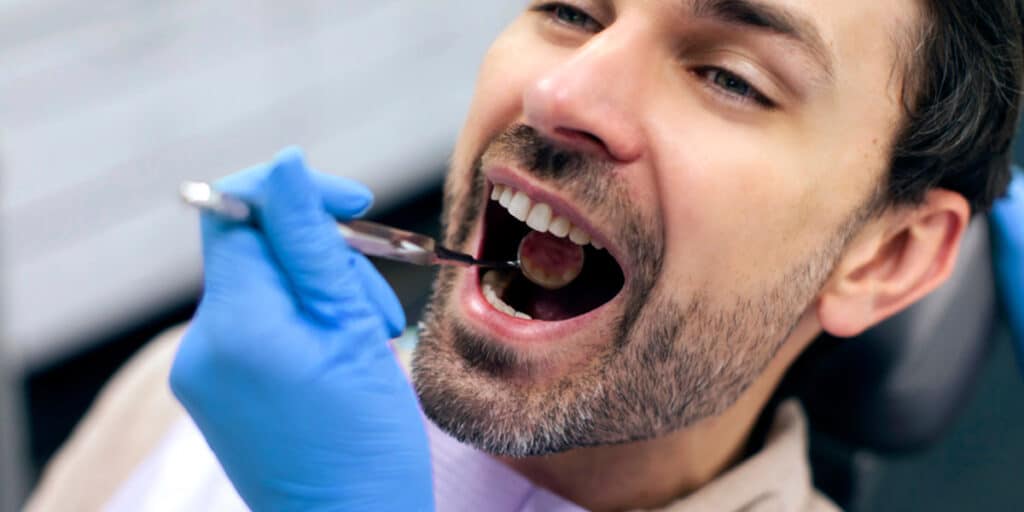
After the initial discussions, the dentist will carry out a thorough examination of your oral health so they can assess the condition of your teeth, gums, and mouth, identify any areas that may need attention, and build a complete picture of your mouth and dental health.
A dental examination will typically include the following:
- An examination of your teeth for signs of decay, damage, or wear
- An assessment of your gums and supporting tissues
- Inspection of the soft tissues inside the mouth, including the tongue, cheeks, and soft palate
- Oral cancer screening, where appropriate
- A review of any existing dental work, like fillings, crowns, bridges, or implants
- X-rays or other diagnostic images, if more information is needed
X-rays may be recommended to help provide a more complete view, as these images can show areas that cannot be seen with the naked eye and help identify concerns that may be developing below the surface.
By the end of the assessment, the dentist will have a good, clear understanding of the condition of your teeth and gums, the health of the tissues inside your mouth, and any existing dental work, giving them a full picture of your current dental health.
Professional cleaning and treatment planning
Once your examination is complete, the dentist will talk you through their findings and explain what they mean for your oral health. If any issues have been found, they will discuss them with you using clear language and answer any questions you may have to help you understand what may need to happen next.
If treatment is recommended, the dentist will explain the available options and advise the most suitable one for your needs. This will vary from person to person, but may include treatments like:
- Fillings to treat tooth decay
- Root canal treatment for infected teeth
- Crowns to restore damaged or weakened teeth
- Gum disease treatment to improve gum health
- Tooth extractions where a tooth cannot be saved
- Orthodontic treatment to address bite and alignment issues
- Cosmetic treatments like veneers, teeth whitening, or composite bonding to improve the appearance of your smile
Alongside any treatment recommendations, the dentist may provide personalised advice on brushing, flossing, or other aspects of oral health as part of a tailored plan that supports both your immediate dental needs and long-term wishes.
Children’s first dental appointments: what patients should know
Many parents are not quite sure when to take their child to the dentist for the first time. Current guidance suggests this should happen when a child’s first tooth appears or, at the very latest, by their first birthday, as starting early helps children get used to the dental environment while their teeth and jaws are developing.
Children’s appointments are usually kept simple and friendly, and focus on helping children feel comfortable and at ease rather than anything formal or complicated. The dentist will often take time to chat, show them around, and make the experience feel as relaxed as possible.
During the visit, the dentist will have a gentle look at your child’s teeth, gums, and how their mouth is developing. They may check for early signs of decay, monitor how the baby teeth are coming through, and look at how the teeth are lining up. They can also pick up on habits like thumb sucking or dummy use that might affect development and offer parents simple advice on oral care and diet to support healthy teeth at home.
There are a few small things parents can do to help the visit go smoothly. Talking about the dentist in a positive, calm way can make a big difference, as well as choosing a time in the day when your child is usually rested and in a good mood. Keeping things light and reassuring, and staying relaxed yourself, often helps children feel more confident about the experience.
Schedule your first dental appointment at Fulham Road Dental today
At Fulham Road Dental, we know that booking your first dental appointment can feel like a small, but important, step. Whether you are completely new to us or it’s just been a while since your last visit, we aim to make things feel straightforward and welcoming from the moment you get in touch.
We take the time to get to know each patient properly so we can understand what matters to you and how best to support your dental care. Our approach is friendly and unhurried, with a focus on clear expectations so you always know what is happening and why.
When you are ready to book, our team is here to help you find a time that works for you. Getting started is easy, and we will guide you through the process so you can feel comfortable coming in for your first visit.
FAQs
What should I do if I feel nervous before going to the dentist?
Feeling nervous before going to the dentist is common. It can help to let the dental team know when you arrive, so they can support you properly. They can explain each step in simple terms, go at a comfortable pace, and check that you feel at ease throughout your visit. You can also ask questions at any point if something is unclear.
Before your appointment, it may help to prepare by thinking about anything you want to discuss. Slow, steady breathing can also help reduce feelings of worry while you wait. If you feel uneasy during the visit, you can let the dentist know so they can pause, explain things again, or adjust how they are working.
Can parents sit with their children during their dental appointment?
At most dental practices, parents are usually allowed to stay with their child during a dental appointment. This can help children feel more relaxed and secure, especially if it is their first visit. The dental team will often encourage a calm and supportive presence so the child feels comfortable throughout.
In some cases, the dentist may ask a parent to wait outside for part of the appointment if it helps the child focus and build confidence. This is always explained clearly and depends on the child’s age and needs. The dental team will make sure the child feels safe, supported, and reassured.
Will the process be the same if I am going to a dentist for the first time in an emergency?
If you go to a dentist for the first time in an emergency, the visit is usually not the same as a normal first appointment. The dentist will focus on the problem that is causing pain or concern, rather than doing a full routine check of your whole mouth.
They will look closely at the affected area and may take an X-ray to understand what is going on. After that, they will give treatment to help ease the pain or deal with the urgent issue. A full check-up or other routine care is often arranged for another time.