
If you’ve ever heard your dentist mention a scale and polish, you’re not alone in wondering exactly what it involves and why it comes up so often during your routine appointments. The simple truth is that it’s a common dental hygiene procedure that plays an important role in helping you maintain your oral health.
Good oral care is more than just daily brushing and flossing: regular visits to your dentist and dental hygienist are also key to keeping your smile healthy. Here’s a closer look at the scale and polish meaning, and the benefits it offers to your oral health.
Why plaque and tartar are a problem
Plaque is a soft, sticky layer of bacteria that constantly forms on your teeth, building up throughout the day. It is often clear or pale yellow in colour, meaning it is not always easy to see. If it’s not removed regularly through brushing and flossing, it can start to cause problems for your teeth and gums.
Over time, plaque can harden into tartar. This happens when minerals in your saliva combine with plaque, causing it to form a hard, rough deposit on the teeth. Tartar cannot be removed by brushing and flossing alone, as it is firmly attached to the tooth surface. Because of this, it usually needs to be removed by a dental professional using special tools.
If plaque and tartar are allowed to build up, it can lead to red, swollen gums that are more sensitive than usual. Over time, this irritation can develop into inflammation that affects the overall health of your gums.
What is a scale and polish?
A scale and polish is a common dental hygiene procedure that helps clean your teeth more thoroughly than your daily brushing routine. It is usually carried out by a dentist or dental hygienist as part of your regular routine check-up.
The first part of the procedure, scaling, is where plaque and tartar are carefully removed from the surface of the teeth. Even with good brushing habits, this buildup can develop over time, and it often collects in areas that are difficult to reach at home. Special dental tools are used to clean around and just below the gumline, where plaque and tartar tend to gather the most.
Once the teeth have been scaled, they are polished. This involves using a special paste and a rotating brush or rubber cup to smooth the surface of the teeth, removing stains and leaving the teeth feeling ultra-clean and smooth. A smoother tooth surface also makes it more difficult for plaque to stick in the future.
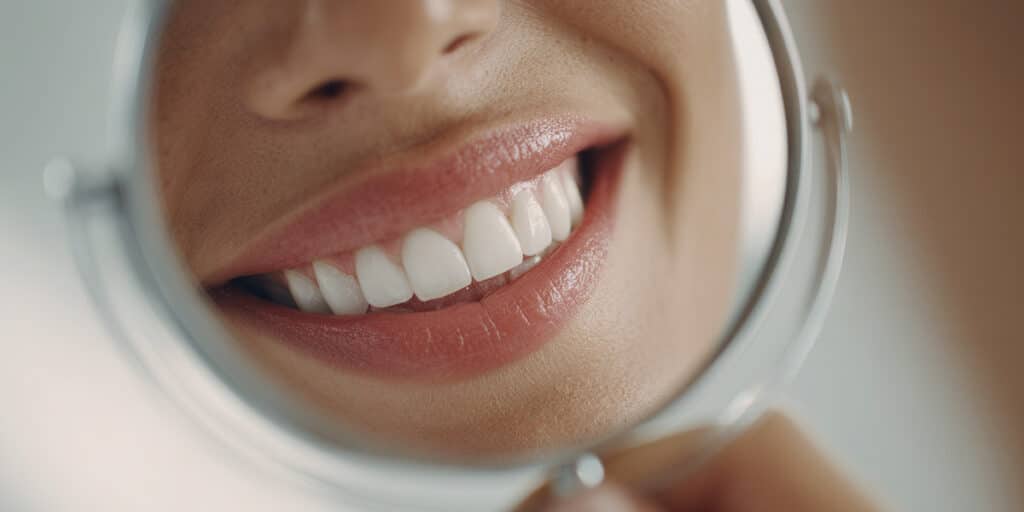
The oral health benefits of a scale and polish
A scale and polish offers several benefits that support the overall health and cleanliness of your teeth and gums, and is something you shouldn’t skip if you are offered one during your check-up.
Prevents gum disease
By removing plaque and tartar from along the gumline, a scale and polish helps reduce the build-up of bacteria that can irritate the gums, lowering the risk of gum disease developing or getting worse over time.
Protects against tooth decay
Cleaning away plaque also helps protect the teeth from decay. Plaque contains bacteria that produce acids, which can damage tooth enamel, so regular removal of this buildup helps reduce this risk.
Keeps breath fresh
Bacteria and trapped debris in plaque and tartar can contribute to bad breath, but a scale and polish helps clean these areas more thoroughly, keeping your breath fresher for longer between appointments.
Improves appearance
Polishing the teeth helps remove surface stains caused by food, drinks, and smoking, leaving the teeth looking cleaner and brighter.
Regular scale and polish treatments support the long-term health of your teeth and gums. By keeping plaque and tartar under control, they help maintain a healthier mouth over time and reduce the chance of dental problems in the future.
Frequency of scale and polish appointments
For the vast majority of people, a scale and polish is recommended roughly every six months as part of your routine care at Fulham Road Dental. However, the exact timing can vary from person to person, and may be adjusted based on several factors, including:
- How well you are able to maintain your daily oral hygiene habits, like brushing and flossing
- The current health of your gums, including whether there are signs of gum disease or inflammation
- Advice and recommendations given by your dental or dental hygienist after examining your mouth
Your dental team will usually suggest a schedule that best supports your specific oral health needs.
Scale and polish vs. other oral hygiene treatments
Alongside scale and polish treatment, there are other oral hygiene treatments that are used for different purposes, depending on a person’s needs.
Guided Biofilm Therapy is a modern cleaning method that focuses on removing the biofilm (a layer of bacteria) from teeth using a gentle AirFlow device and special powders. It is often used as an alternative or addition to scaling and polishing, and is particularly good at reaching difficult areas in the mouth.
Periodontal deep cleaning is a more intensive treatment used when there are signs of gum disease. It goes deeper than a standard scale and polish, cleaning below the gumline to remove bacteria from pockets that may have formed around the teeth. Unlike a scale and polish, this treatment is often carried out over multiple visits.
Dental sealants are totally different from cleaning treatments, but can work alongside them beautifully. They involve placing a protective coating on the chewing surfaces of back teeth to help stop food and bacteria from settling into grooves where decay is more likely to develop.
Each of these treatments has a different role, but they can all contribute to maintaining good oral hygiene.
Book your next scale and polish appointment with confidence
A scale and polish is one of the routine treatments that supports a cleaner, fresher mouth and helps maintain overall oral hygiene.
Understanding how this type of care fits alongside other dental treatments can make it easier to feel prepared for your next appointment. Whether it is part of a regular check-up or recommended based on your needs, it is a simple step that contributes to keeping your smile looking its best.
Booking your next visit to Fulham Road Dental gives you the opportunity to stay on top of your oral health with the support of our friendly team of expert dental professionals.
FAQs
How long does a scale and polish take?
A scale and polish usually takes between 30 and 60 minutes, but the exact time will depend on things like how much plaque and tartar needs to be removed, and how easy it is for the dental professional to reach all areas of the teeth where the cleaning is required.
Some appointments might take less time if your teeth are generally clean and there is only a light buildup of plaque. Conversely, the procedure may take longer where there is more hardened tartar, or when cleaning needs to be done around the gumline, as a careful hand is needed.
Can children have a scale and polish?
Children can have a scale and polish if a dentist decides it is appropriate for their oral health needs, such as if there is noticeable plaque buildup, staining, or areas that are difficult to clean properly with brushing alone. The treatment is carried out carefully and is adjusted to suit a child’s age and stage of dental development.
However, it is not something every child will need regularly, and dental professionals will encourage children to focus on building good daily oral hygiene rather than on getting professional cleanings, with tailored advice based on individual needs.
Does a scale and polish hurt?
A scale and polish is not usually painful, although some people may feel mild discomfort during the procedure if their gums are sensitive or if there is a significant amount of plaque and tartar that needs deeper cleaning. The dentist or hygienist works carefully to keep the process as comfortable as possible.
After the treatment, it is normal for the teeth or gums to feel slightly sensitive for a short time, but this usually settles quickly. If there is any concern about pain or discomfort, or if you are just nervous in general, the dental professional can adjust their approach during the appointment.