
Fear of the dentist affects a significant proportion of the UK population and can influence how often people seek dental care, how they feel about dental treatment, and ultimately their oral health.
For some, this fear is mild anxiety before a dental appointment. For others, it develops into dental phobia, severe fear, or intense anxiety that leads to complete dental avoidance.
Modern dentistry has evolved considerably, not only in terms of technology and dental procedures, but also in how dentists support nervous patients and help alleviate dental fear. Understanding the causes of dental anxiety and the solutions available can make a significant difference to dental health and overall mental health.
Understanding dental anxiety in the UK
Dental fear and anxiety exist on a spectrum, ranging from mild anxiety to severe anxiety that can trigger panic attacks. Research suggests that fear of visiting the dentist is common across all age groups in the UK population, with many adults delaying routine dental care because of negative feelings associated with the dental setting.
Dental anxiety is not simply about discomfort. It is closely linked to past experiences, mental disorders such as anxiety disorders, and even family history. Understanding why people are afraid of the dentist is the first step towards reducing dental anxiety and improving long-term dental health.
Fear of the dentist amongst adults and children
Fear of the dentist is one of the most common specific phobias in the UK. Studies using a dental anxiety scale indicate that a substantial percentage of adults experience some level of dental anxiety, while a smaller, but still significant, group meet the criteria for dental phobia. Children with dental fear often develop this early in life, and it can persist into adulthood if not addressed.
Among adults, dental avoidance is frequently linked to past negative experiences, traumatic experiences, or feelings of shame about their poor oral health, missing teeth, or decayed teeth. Children may fear dental visits because of unfamiliar dental instruments, strange sounds, or observing a nervous family member. Parental dental fear plays a particularly strong role, as anxious parents can unintentionally pass on their fears to their children.
Why dental anxiety is more than just “nerves”
Dental anxiety is not simply about being a nervous person. For many anxious patients, it involves a complex interaction between emotional, psychological, and physical responses. The dental setting can trigger intense anxiety, increased heart rate, sweating, and feelings of loss of control. In severe cases, people may experience panic attacks when visiting the dentist or even thinking about a dental appointment.
Dental fear and anxiety also have a significant relationship with mental health. Those with anxiety disorders, specific phobias, or a history of traumatic experiences are more likely to struggle with dental treatment. Over time, avoidance of dental care can lead to worsening dental issues, such as tooth decay and gum disease, reinforcing fear and creating a cycle of treatment avoidance.
Psychological causes of dental fear
Psychological factors are among the most influential causes of dental fear. These factors often develop over time and can be deeply rooted in personal history, mental health, and emotional responses to dental experiences.
Previous traumatic or painful dental experiences
Past negative experiences are one of the most commonly reported causes of dental anxiety. Painful dental procedures, inadequate pain control, or feeling rushed or ignored during treatment can leave a lasting impression. Even a single traumatic experience in the dentist’s chair can result in long-term dental fear.
For many phobic patients, the memory of pain is accompanied by feelings of helplessness and fear. This can cause individuals to associate dental treatment with danger, leading to intense anxiety before future dental visits. Over time, these memories can become exaggerated, making each dental appointment feel more threatening than the last.
Fear of loss of control and vulnerability in the chair
The dental chair places patients in a physically vulnerable position. Often, they are not able to speak clearly or see what is happening, and, for some, this loss of control is deeply unsettling. Fear of not being able to stop treatment, combined with unfamiliar dental instruments and sensations, can heighten anxiety.
This sense of vulnerability is particularly challenging for patients with anxiety disorders or a history of trauma unrelated to dentistry. The dental clinic environment can trigger feelings of powerlessness and make the experience feel overwhelming, even when there is minimal physical pain.

Childhood experiences and learned fears
Dental fear can start when children are young, and continues into adulthood if it’s not managed. Early dental experiences play a crucial role in shaping patients’ attitudes towards dental care throughout their lives.
The role of early dental visits and parental attitudes
Positive early dental visits are essential for building trust and reducing anxiety. However, if a child experiences pain, fear, or distress during early dental treatment, they may develop long-lasting dental anxiety. Parental dental fear is another significant factor. Children are highly perceptive and may mirror the anxiety displayed by a parent or family member.
When parents express fear of visiting the dentist or speak negatively about dental procedures, children may internalise these fears. This family history of dental anxiety can create a cycle where fear is passed from one generation to the next.
How negative stories and media influence anxiety
Hearing stories from peers, siblings, or family members about their own painful dental experiences can influence a child’s view. Portrayals of dentists as frightening or uncaring characters in books, films, and TV shows can also lead to children having to negative expectations of a dentist.
While these stories may not accurately reflect modern dentistry, they can shape beliefs that a person holds on to for years. As a result, they then approach dental visits expecting pain or discomfort, increasing anxiety and reducing the likelihood of a positive experience.
Sensory triggers within the dental environment
The dental setting can be overwhelming due to its sensory stimuli. Even patients without severe anxiety may find certain aspects of the dental clinic uncomfortable.
Sounds, smells, and visual triggers in dental practices
The sound of dental instruments, particularly drills, is one of the triggers of dental fear that patients most commonly mention. On top of that, the smell of disinfectant, the bright lights, and the clinical appearance of the dental practice can all contribute to anxiety.
For anxious patients, these sensory cues can act as reminders of past negative experiences, triggering fear and physical stress responses. This can make it difficult to relax during dental treatment, even when procedures are straightforward.
The impact of needles, drills, and clinical settings
Fear of needles is very common and can be another significant contributor to dental anxiety. The anticipation of injections for local anaesthetic can cause intense anxiety for needle-phobic patients. Drills and other dental instruments may also be associated with pain, even when modern techniques are far gentler.
The overall clinical setting of a dental clinic can feel intimidating, especially for those who associate it with discomfort or loss of control. Creating a stress-free environment is therefore essential for reducing dental anxiety.
Embarrassment and fear of judgement
Emotional factors such as shame and embarrassment play a major role in dental avoidance and anxiety.
Anxiety about oral health, appearance, or past neglect
Many people avoid visiting the dentist because they feel embarrassed about their oral health. Issues such as missing teeth, decayed teeth, gum disease, or poor oral health can lead to feelings of shame. This embarrassment may be heightened if dental visits have been delayed for many years.
In the most extreme circumstances, it can prevent individuals from seeking dental care, even when they are experiencing pain or dental issues. Over time, this avoidance can worsen oral health and increase the need for more complex dental procedures.
Worry about being judged by dental professionals
Some anxious patients worry that dental professionals will criticise them for neglecting routine dental care. This fear can be particularly strong for those who have experienced treatment avoidance due to anxiety or mental health challenges.
Modern dentistry places a strong emphasis on empathy and understanding. However, negative expectations can still influence how patients feel before and during dental appointments, contributing to ongoing dental fear.
How modern dentistry has changed the patient experience
Modern dentistry has transformed the way dental care is delivered, with a strong focus on comfort, communication, and patient well-being.
Advances in pain management and gentler techniques
There have been significant advancements in pain management to make dental treatment far more comfortable than in the past. Improved local anaesthetics, refined techniques, and better equipment mean that many dental procedures are virtually pain-free.
Modern dentistry also prioritises minimally invasive approaches, reducing discomfort and recovery time. These changes can make a significant difference for nervous patients who associate dental treatment with pain.
Improved technology reducing discomfort and treatment time
Technological innovations such as digital imaging, laser dentistry, and quieter equipment have reduced many of the sensory triggers associated with dental fear. Shorter appointment times and more efficient treatment planning from dentists also help reduce anxiety.
For patients interested in cosmetic dentistry or restorative treatments like dental implants, today’s techniques can deliver results with fewer visits and less discomfort, making dental care more accessible for those who fear visiting the dentist.
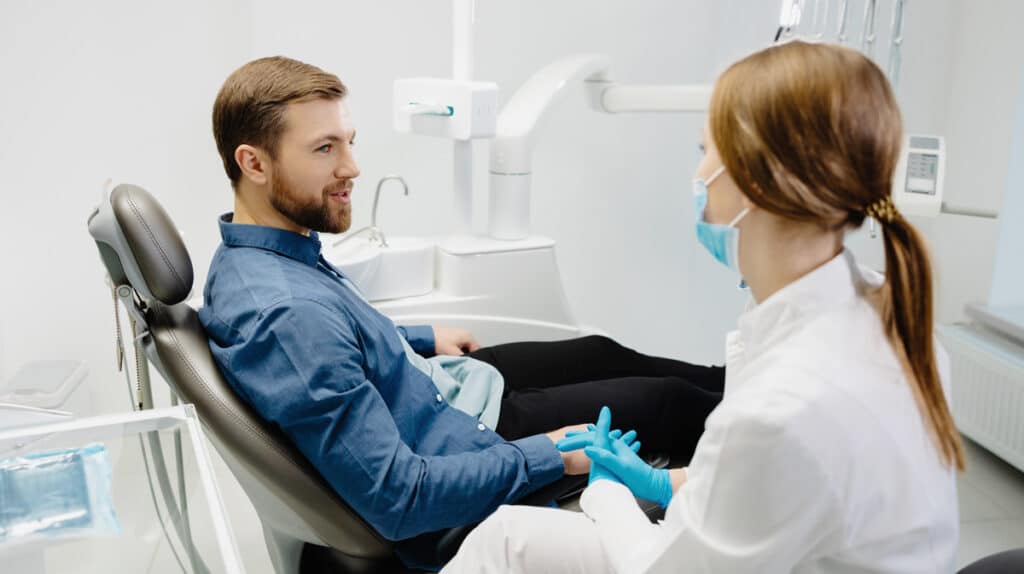
Supportive approaches for nervous patients
Beyond technology, the way dental professionals interact with patients plays a crucial role in reducing anxiety.
Communication, consent, and patient-centred care
Clear communication is essential for managing dental anxiety. Dentists who explain procedures, discuss options, and obtain consent at every stage help patients feel more in control. Agreeing on hand signals or breaks during treatment can also reduce anxiety.
Patient-centred care recognises that each individual’s dental fear is unique. By tailoring the treatment plan to the patient’s needs, dentists can create a positive experience that builds trust and confidence.
Behavioural techniques and relaxation strategies
Behavioural approaches such as distraction techniques, deep breathing, and guided relaxation can be highly effective for managing dental anxiety. Listening to music, watching a screen, or focusing on breathing can help calm the nervous system during treatment.
Coping strategies and coping skills are often discussed before the dental appointment, allowing patients to prepare mentally. These techniques are particularly helpful for individuals with mild anxiety but can also support those with a more severe fear of the dentist.
Options available for highly anxious patients
For patients with severe fear or dental phobia, some practices are able to offer additional support options to make visits as stress-free as possible.
Sedation dentistry
Sedation dentistry is an effective option for patients who struggle with severe anxiety or intense anxiety during dental treatment. Options include dental sedation using oral medication, inhalation sedation, and IV sedation.
Conscious sedation allows patients to remain awake but deeply relaxed, reducing awareness of the dental procedure. Sedation dentistry can be particularly beneficial for phobic patients, those with anxiety disorders, or individuals requiring complex dental procedures.
Choosing the right dentist for nervous patients
Finding the right dentist is essential for anxious patients. Many dental practices in the UK specialise in treating nervous patients and focus on creating a calm, supportive dental environment. A compassionate dentist and dental hygienist can help alleviate dental fear and encourage regular dental visits.
A positive experience with a supportive dental clinic can break the cycle of dental avoidance and lead to improved dental health. Over time, many patients find that their fear of the dentist diminishes, allowing them to maintain routine dental care and better oral health.
Fulham Road Dental: gentle care and support to help patients conquer dental fear and anxiety
At Fulham Road Dental, we recognise how deeply fear of the dentist and dental anxiety can affect both oral health and overall well-being. From mild anxiety to severe fear linked to past negative experiences, our team focuses on creating a calm, reassuring dental environment where nervous patients feel listened to and supported. We offer tailored sedation dentistry options, including conscious sedation and IV sedation, alongside gentle techniques and clear communication, so dental treatment feels manageable and comfortable at every stage.
Our aim is to help patients move past dental avoidance and regain confidence in visiting the dentist. By taking time to understand individual concerns, explaining each treatment plan, and using modern dentistry to reduce discomfort, we help alleviate dental fear and build positive dental experiences. With the right care and support, even the most anxious patients can access routine dental care in a stress-free environment and take lasting steps towards better dental health.
FAQs
How do I talk to my dentist about my fear?
Start by telling your dentist clearly that you feel anxious or afraid of dental treatment. You can mention past negative experiences, specific fears like needles or loss of control, or worries about pain.
Many dentists are trained to help nervous patients and will not judge you. Talking about your fear before the appointment or at the start helps the dental team adjust their approach, explain each step, and agree on signals so you feel more in control.
You may also want to ask about options such as breaks, calming techniques, or sedation, and whether you can bring a trusted person for support if needed during your visit.
What should I expect at my first appointment if I’m nervous?
At your first appointment, the dentist will usually spend time talking with you before any treatment begins. You can explain your fears, past experiences, and what worries you most. The appointment may involve a gentle check, X-rays, or no examination at all if you feel anxious.
You should expect a calm approach, clear explanations, and the chance to ask questions at any point. Many practices offer breaks, agreed hand signals, or support options. Nothing will be rushed, and no treatment should happen without your consent, helping you feel safer and more in control from the moment you arrive at reception.
Is it worth seeking psychological support for severe dental anxiety?
Seeking psychological support can be helpful if dental anxiety feels overwhelming or stops you from attending appointments. A therapist can help you understand where the fear comes from and teach you methods and techniques to help you manage anxious thoughts and physical reactions. This support is especially useful if anxiety causes panic, sleep problems, or distress well before a dental visit.
Techniques like gradual exposure, breathing exercises, or having coping mechanisms ready in your head can reduce fear and make getting dental treatment easier. For many people, combining psychological help with gentle dental care improves confidence and makes future appointments feel more manageable overall.
How do I find a dentist experienced in treating nervous patients?
Start by checking dental practice websites for mentions of nervous patients, dental anxiety, or sedation options. Patient reviews can also show how supportive the team is. You may ask your GP, pharmacist, or family for recommendations.
When contacting a dentist, ask about their experience with anxious patients and the support they offer. An experienced dentist will explain procedures clearly, discuss sedation or relaxation options, and ensure you feel comfortable. You can arrange an initial consultation to meet the team and see the dental clinic without treatment. This helps you feel more at ease and confident for your first appointment.
What if I panic or feel trapped in the chair?
If you panic or feel trapped in the chair, the most important thing is to let your dentist know straight away. You can use agreed hand signals or ask for the treatment to stop immediately. Dentists treating nervous patients are trained to respond calmly and give you time to recover before continuing.
The dental team can help you feel safer by offering deep breathing, distraction techniques, or breaks during the procedure. For severe anxiety, sedation options may be available. You will never be forced to stay in the chair, and the dentist will always work to make you feel in control.
Are there self-help techniques I can use at home?
There are several self-help techniques you can use at home to reduce dental anxiety. Practising deep breathing or slow, steady breathing exercises can help calm your body and mind. Distraction techniques, such as listening to your favourite music or watching videos that make you smile or laugh while thinking about your dental visit, may also reduce nervous feelings.
Visualisation can be useful, so try to imagine yourself in a calm, stress-free environment or picture a positive dental experience. Keeping a diary of your fears and coping strategies can help you understand triggers. Regularly using these techniques before an appointment can make visiting the dentist feel more manageable and less stressful.
How do I rebuild trust after a traumatic dental experience?
Rebuilding trust after a traumatic dental experience starts with finding a dentist who listens and understands your fears. Take time to explain past negative experiences and what made you feel anxious or unsafe. A supportive dental team will go at your pace, explain each step clearly, and let you have breaks whenever needed.
You can also start with small, non-invasive visits to regain confidence, such as check-ups or talking through treatment plans without any procedures. Using relaxation techniques, deep breathing, or distraction methods during appointments can help. Gradually, positive dental experiences can replace fear and make future visits easier.
Can dental anxiety be “cured”, or is it simply just a case of managing it?
Dental anxiety cannot always be completely “cured,” but it can be significantly reduced with the right support and strategies. Understanding what triggers your fear and talking openly with your dentist can help them adjust their approach to meet your needs as much as possible. Gentle dental care, clear explanations, and gradual exposure to dental procedures help nervous patients feel more confident over time.
Managing dental anxiety often involves combining coping strategies, relaxation techniques, and, if needed, sedation options. Psychological support can also help with severe anxiety. With these approaches, dental visits can become less stressful, allowing you to maintain routine dental care and improve oral health while feeling more in control.
Is it possible to just have a consultation without any work being done?
It is possible to have a dental consultation without any treatment being carried out. Many dentists offer initial appointments where you can meet the team, talk about your concerns, and discuss your dental history. This gives you the chance to ask questions, understand possible treatments, and feel more comfortable with the dental setting before any procedures take place.
During this type of appointment, the dentist may explain what to expect in future visits, go through a treatment plan, and suggest ways to manage dental anxiety. A consultation-only visit can help nervous patients build confidence and feel in control.
How can I stop my children from developing the same fear?
You can help prevent dental fear in children by making early dental visits positive and calm. Explain what will happen in simple, reassuring language and avoid using scary words about pain or needles. Take them to friendly dentists experienced with nervous patients, and let them see that dental visits are normal and safe.
Parents should try to stay calm themselves, as children can pick up on anxiety. Praise children for being brave during appointments and allow them to ask questions. Reading books or watching videos about visiting the dentist can also help children feel more confident and relaxed.