
Dental emergencies can happen at any time, often when you least expect them. Severe dental pain, trauma, or sudden swelling can disrupt daily life and may require urgent dental care.
Knowing how to act quickly, access the right services, and manage pain while waiting for treatment is essential to prevent significant deterioration in oral health. Here’s what to do when you cannot wait for normal working hours to see a dentist.
Understanding dental emergencies
What qualifies as a dental emergency
A dental emergency is any situation where someone needs urgent dental treatment to address severe pain, stop bleeding, or prevent infection. Situations such as a knocked-out tooth, severe swelling, or difficulty breathing related to dental conditions are all clear examples of emergencies. Patients should not delay seeking care if symptoms are severe or worsening, as untreated dental issues can escalate quickly.
Not all dental problems are emergencies. For example, a toothache that can be managed with self-care and routine pain relief measures is likely to be dealt with during normal opening hours. However, dental conditions causing facial pain, swelling, or post-extraction bleeding require immediate attention from a dental team. Recognising the difference can help patients decide when they require emergency dental care.
Early intervention is crucial. Even seemingly minor trauma, loose or displaced crowns, or wisdom teeth complications may require emergency dental care to prevent significant deterioration and avoid more extensive treatment later.
Common causes of dental emergencies
Dental emergencies often result from trauma, dental infections, or complications with wisdom teeth. Accidents at home or sports-related injuries can lead to displaced crowns or fractured teeth. Dental infections can spread, causing facial pain, swelling, or even difficulty breathing in severe cases.
Other common causes include advanced decay, untreated cavities, and severe gum disease. Patients may also require urgent care due to loose or displaced crowns, broken dentures, or problems following oral surgery. Recognising the clinical need for urgent dental treatment can prevent significant deterioration in oral health.
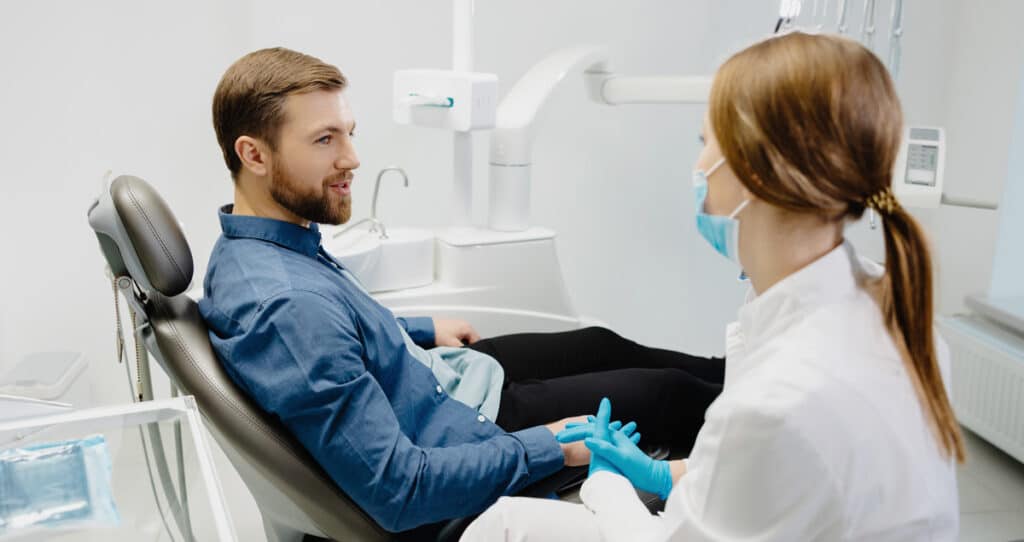
Immediate steps to take
Managing pain at home safely
While waiting for an emergency dental appointment, patients can use pain relief measures to manage severe dental pain. Over-the-counter analgesics such as paracetamol or ibuprofen can provide temporary relief. Always follow dosing instructions and note any medical conditions that could affect painkiller use.
Cold compresses applied to the cheek can reduce swelling and help alleviate pain. Avoid applying heat directly to the affected area, as this can worsen inflammation or bleeding.
Controlling bleeding and swelling
For dental trauma or post-extraction bleeding, you can apply a clean gauze pad to the site and bite down gently to control bleeding. If bleeding continues after 20 minutes, contact a dental service for further advice. Elevating the head while resting can also reduce swelling.
Rinsing the mouth with cold water or saltwater can also help maintain oral hygiene and minimise discomfort. Do not attempt to manipulate a tooth that is loose or displaced, as this may increase the risk of further damage.
Handling knocked-out or loose teeth
How to preserve a knocked-out tooth
If a tooth is completely knocked out, it may still be possible to save it with prompt action. Rinse the tooth gently with water to remove dirt, avoiding scrubbing the root. Keep the tooth moist by placing it in milk or saliva, and contact a dental team immediately for an emergency appointment.
Do not attempt to reinsert a tooth yourself unless advised by a dental professional. Quick action can increase the chances of successful reimplantation and prevent significant deterioration.
What to do with a loose tooth
A loose tooth caused by trauma or decay requires urgent assessment. Avoid eating on the affected side and minimise movement of the tooth. Painful movement or instability may signal the need for urgent treatment to prevent further damage.
Patients should contact a dental practice to arrange a same-day assessment. The dental team can provide temporary stabilisation and advice on next steps. Self-care alone is rarely sufficient in these cases.
Early evaluation also helps prevent long-term complications. Without timely treatment, loose teeth can become infected, affect surrounding teeth, and may eventually require extraction.
Dealing with severe toothache
Temporary relief techniques
Severe dental pain can be upsetting and hard to manage. While waiting for urgent dental care, patients can take over-the-counter pain relief or use a cold compress to ease discomfort. Avoid putting aspirin directly on the gums or teeth, as this can cause irritation.
Rinsing the mouth with saltwater can also help reduce minor swelling and discomfort. Keeping the mouth clean with gentle brushing and flossing is important to stop infections from getting worse.
When over-the-counter painkillers are appropriate
Over-the-counter analgesics are effective for managing dental pain temporarily. Patients should alternate medications carefully, ensuring they do not exceed the recommended daily dose. Individuals with underlying medical conditions or allergies should seek advice before taking new medications.
If pain persists despite self-care, this indicates a clinical need for urgent dental treatment. Waiting too long may result in dental infections or the need for more extensive procedures.
Short-term pain relief is not a substitute for professional care. Even if symptoms improve, the underlying dental issue may worsen without emergency treatment.
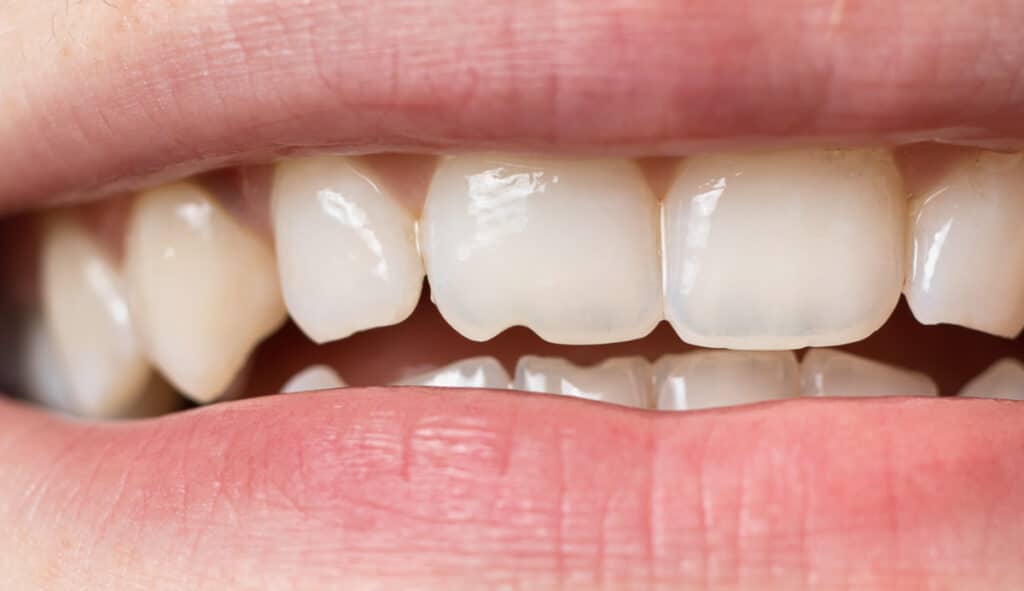
Broken or chipped teeth
Stabilising a broken tooth
A broken or chipped tooth can be painful and sensitive to temperature. Rinse the mouth with warm water and gently apply pressure with gauze to control bleeding if necessary. Avoid chewing on the affected side until seen by a dentist.
A temporary dental emergency appointment may involve stabilising the tooth to prevent further damage. Early intervention can reduce the risk of infection and significant deterioration.
Patients should also keep any broken fragments they can find, as these can sometimes be reattached during an emergency dental appointment.
Avoiding further damage
Do not attempt to repair a broken tooth with household adhesives or dental cement. Protect the tooth by avoiding hard or sticky foods and maintaining careful oral hygiene.
Patients may be advised to bring any broken fragments to the dental practice. This can assist the dental team in planning restorative treatment and minimising future complications.
Accessing emergency dental services
Finding out-of-hours dentists
Access to urgent dental care outside normal opening hours is important for severe pain, dental infections, or trauma. Many dental practices offer emergency appointments or can refer patients to local clinics providing same-day treatment.
Patients should contact the practice in advance to explain their symptoms and arrange an assessment. High demand means it is advisable to provide detailed information about the dental issue to ensure timely care.
Choosing a private emergency dental clinic
Private dental clinics often provide urgent care when routine dental services are unavailable. Costs may vary depending on the treatment required, including dental surgery or emergency treatment for displaced crowns.
Private clinics can offer same-day appointments, access to dental teams, and flexible hours. Patients requiring unscheduled dental care due to severe pain or trauma should consider local services to prevent significant deterioration.
Choosing a clinic with experienced staff ensures proper assessment, advice, and treatment. This is especially important for dental infections, wisdom teeth issues, or trauma requiring surgery.
Preventing future dental emergencies
Tips for maintaining strong teeth
Regular dental care and routine check-ups are the best ways to prevent dental emergencies. Brushing twice daily, flossing, and attending routine care appointments help maintain oral health and reduce the risk of dental conditions that could escalate.
Maintaining a balanced diet and avoiding excessive sugar or acidic foods supports tooth strength. Protective gear during sports and caution during high-risk activities can also prevent trauma-related emergencies.
Good habits and early interventions are key. Patients should address dental issues promptly during normal opening hours to avoid urgent care scenarios whenever possible.

Recognising early warning signs
Recognising symptoms such as swelling, pain, bleeding, or loose teeth early allows patients to seek urgent care before the situation worsens. Dental issues with wisdom teeth, recurring infections, or displaced crowns should not be ignored.
Early assessment by a dental team prevents significant deterioration and reduces the likelihood of complex procedures. Understanding when to contact a dental service for an emergency appointment ensures that patients receive prompt treatment and advice.
Regular monitoring of oral health helps identify problems before they become emergencies. Patients who know what “normal” looks like for their teeth and gums are more likely to detect subtle changes and seek treatment at the right time.
Emergency dental care from Fulham Road Dental
At Fulham Road Dental, we understand how painful and stressful a dental emergency can be. If you are experiencing severe pain, a broken tooth, swelling, a lost crown, or any dental issue that cannot wait, our team is ready to help. We offer same-day emergency dental appointments and prompt, effective care for a wide range of dental problems.
Our modern practice in SW6 provides rapid assessment, pain relief measures, and urgent treatment when it matters most. Whether it is a dental infection, tooth trauma, or a broken restoration, we aim to stabilise the situation and restore your oral health efficiently.
If you need unscheduled dental care, do not delay. Contact Fulham Road Dental for further information and to arrange an emergency appointment. Acting early can prevent significant deterioration, reduce complications, and spare you further pain or costly treatment.
FAQs
What are the options if my regular dentist is unavailable?
If your regular dentist is unavailable, there are several options to get urgent dental care. You can contact a nearby dental practice that offers same-day emergency dental appointments. Many clinics provide out-of-hours services for dental problems that cannot wait, including severe pain, broken teeth, loose or displaced crowns, and dental infections. Calling ahead and explaining your symptoms helps the dental team arrange the fastest possible treatment.
Another option is to seek dental care at private clinics that can provide urgent treatment. They can assess the issue, offer pain relief measures, and prevent significant deterioration while you wait for a routine appointment.
Can trauma from sports or accidents require emergency care?
Trauma from sports or accidents can often require emergency dental care. Injuries such as knocked-out teeth, broken or chipped teeth, and loose or displaced crowns need urgent assessment to prevent further damage. Severe pain, swelling, or bleeding following an accident should be addressed as soon as possible. Immediate action can help preserve teeth and reduce the risk of dental infections or significant deterioration.
Even if the injury seems minor, it is important to contact a dental team quickly. Same-day emergency dental appointments or out-of-hours clinics can provide urgent treatment, stabilise the problem, and advise on further care.
Will emergency dental treatment be painful?
Emergency dental treatment is designed to reduce pain rather than cause it. Dentists use local anaesthetic and other pain relief measures to make procedures as comfortable as possible. Patients experiencing severe dental pain often feel immediate relief once treatment begins, especially when addressing infections, broken teeth, or loose crowns.
Some procedures may cause mild discomfort during or after treatment, such as swelling or soreness. The dental team will provide advice on pain relief and self-care to manage symptoms at home. Prompt emergency dental care can prevent severe dental pain from getting worse and protect overall oral health.
Are emergency dentists able to provide temporary fixes until a permanent solution can be sorted?
Emergency dentists can provide temporary fixes to stabilise dental problems until a permanent solution is arranged. This may include securing loose or displaced crowns, covering broken teeth, or treating pain and swelling caused by dental infections. These temporary measures help prevent further damage and reduce severe dental pain while waiting for full treatment.
Patients may need follow-up appointments for permanent restoration or surgery once the urgent situation is under control. The dental team will advise on care at home, pain relief measures, and what to avoid to protect teeth and gums. Temporary fixes allow oral health to be maintained safely.
What are the risks of delaying getting emergency treatment?
Delaying emergency dental treatment can lead to severe dental pain becoming worse and dental infections spreading. Problems like broken teeth, loose or displaced crowns, and post-extraction bleeding may get more serious if not treated promptly. Swelling, facial pain, and difficulty eating or speaking can develop, making urgent care more complicated.
Waiting too long can also result in significant deterioration of oral health, potentially requiring more extensive dental treatment or surgery. Early assessment by a dental team allows pain relief measures and stabilisation, preventing further damage and helping maintain teeth and gums until a permanent solution can be provided.
Can something simple like a cavity suddenly become a dental emergency?
Even a simple cavity can turn into a dental emergency if it is left untreated. Bacteria can enter the tooth, causing severe dental pain, swelling, or infection. What starts as a small problem may develop into a dental abscess, affecting surrounding teeth and gums. Prompt attention from a dentist can prevent further damage and reduce the risk of needing more complex treatment.
Patients noticing sudden pain, sensitivity, or swelling should seek urgent dental care. Emergency dental appointments allow the dental team to assess the cavity, provide pain relief measures, and plan treatment to prevent significant deterioration of oral health.
Are there situations where I would need to go to the hospital rather than an emergency dentist?
There are situations where going to a hospital is more appropriate than seeing an emergency dentist. If a dental problem causes difficulty breathing, severe swelling in the face or neck, or uncontrolled bleeding, urgent medical attention is needed. These symptoms may indicate a serious infection or trauma that could affect overall health and require hospital care.
Other cases include severe accidents involving the jaw, head, or multiple teeth, where immediate surgery or advanced imaging is necessary. Emergency dentists can treat most dental problems, but when symptoms threaten general health, patients should seek hospital services without delay.
My dentures or bridge broke. Can an emergency dentist repair it?
If your dentures or bridge breaks, an emergency dentist can often provide urgent care to stabilise the problem. Temporary repairs may be made to restore function and reduce discomfort until a permanent solution can be arranged. This helps patients eat, speak, and maintain oral hygiene while waiting for full dental treatment.
The dental team can assess the damage and advise on safe self-care at home, including avoiding hard or sticky foods. Arranging an emergency dental appointment quickly can prevent further damage, reduce pain, and ensure the broken dentures or bridge are repaired safely and effectively.
Can children receive emergency dental treatment?
Children can receive emergency dental treatment for problems such as severe dental pain, knocked-out teeth, broken or chipped teeth, and infections. Emergency dentists are trained to treat younger patients carefully, using pain relief measures and gentle techniques to manage discomfort. Prompt care can prevent further damage and protect oral health.
Parents should contact a dental practice as soon as possible when a child experiences a dental problem that cannot wait. The dental team can provide same-day emergency dental appointments, stabilise the issue, give advice on self-care at home, and plan follow-up treatment for lasting dental care.
Will insurance cover the cost of emergency dental care?
Insurance may cover some or all of the cost of emergency dental care, depending on the policy and the type of treatment required. Many plans include coverage for urgent dental treatment, such as pain relief, dental infections, broken teeth, or loose and displaced crowns. Patients should check their policy carefully to understand what is included.
Some treatments, especially those considered cosmetic or elective, may not be covered. Contacting the insurance provider before arranging an emergency dental appointment can help clarify costs. The dental team can also provide estimates and advice on payment options for urgent care and emergency treatment.