
If you have been looking into ways to replace a missing tooth, you have probably come across dental implants. They are often described as a long-lasting solution, but that does not necessarily mean they are the right choice for everyone. Before committing to treatment, it is worth thinking about what you actually want from the result and whether implants fit your needs.
The decision can feel particularly difficult when you see the dental implants cost and realise that treatment is a bigger investment than some alternatives. However, the dental implants cost is only one part of the picture. What matters is how the treatment fits your needs, expectations and circumstances, both now and in the years ahead.
The popularity of dental implants
Dental implants have become a common option for people looking to replace missing teeth. They can be used in different ways, depending on how many teeth need replacing. This could mean replacing a single tooth, several missing teeth or supporting a full arch of replacement teeth.
Part of their appeal is that implants are designed to feel more like natural teeth. The replacement is held securely in place rather than being taken out, which can make everyday things such as eating and speaking feel more natural. For many people, this sense of security is an important part of their decision.
The technology behind dental implants has also developed over time. Digital scans, detailed treatment planning and improvements in implant materials have helped dentists plan treatment more carefully. These developments have contributed to implants becoming a well-established option for replacing missing teeth.
Dental implants are also more widely discussed than they once were. Social media and online information have made people more aware of the treatment and what it can offer. For someone who wants a fixed replacement that becomes part of their everyday life, this can make implants an appealing choice.
What makes dental implants different to other restorative treatments
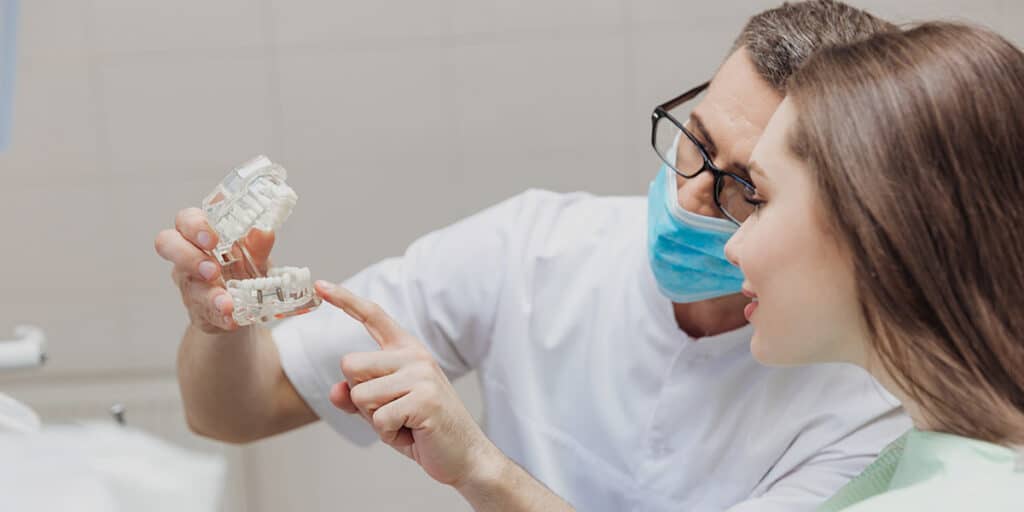
One of the biggest differences with dental implants is that they replace the tooth root as well as the visible part of the tooth. The implant is placed into the jawbone, where it can join with the surrounding bone as it heals. A crown is then attached to replace the part of the tooth that you can see.
A bridge works in a different way because it uses the teeth next to the gap for support. Dentures are different again, as they sit on the gums and can be removed when needed. An implant-supported replacement is fixed in place, which can make it feel more secure when eating, speaking and going about your normal day.
There can also be benefits for the jawbone. When a tooth is lost, the bone around it can gradually reduce because it is no longer being stimulated by a tooth root. An implant can provide some of this stimulation and help preserve the bone around the area. The crown can also be made to match the shape and colour of your other teeth.
The main thing to bear in mind is that implants involve a more involved treatment process than alternatives like dentures. There is usually a period of healing before the final tooth can be fitted, so treatment can take longer. This is an important factor to consider alongside the potential benefits of having an implant.
| Feature | Dental implants | Dental bridges | Traditional dentures |
| Impact on bone | Preserves bone by stimulating jaw | Does not stop bone loss under the gap | Can accelerate bone shrinking over time |
| Impact on neighbouring teeth | Leaves healthy surrounding teeth untouched | Requires healthy surrounding teeth to be shaved to support crowns | No damage to remaining natural teeth |
| Lifespan | 20 to 25 years and beyond | 10 to 15 years before replacement | 5 to 8 years before dentures will need relining/adjustments |
| Upfront cost | High, can range from around £1,500 for a single implant to £40,000 or more for full-mouth implants | Moderate, from around £750 for three-unit bridge to £5,000 plus for complex implant-supported choices | Lowest initial cost, from £500 to £2,500 per arch, but premium options can cost over £15,000 |
| Best suited for | Single, mutliple, or full-arch replacement for those with healthy jawbone | 1-3 missing teeth where neighbouring teeth are able to support crowns | Replacing an entire arch or multiple missing teeth on a budget |
When dental implants might not be right
Dental implants can be a suitable option for many people, but they are not automatically the best choice in every situation. Before treatment, a dentist will look at your teeth, gums and jawbone, as well as your general circumstances, to decide whether implants are likely to be appropriate.
There are several things that may affect whether dental implants are recommended, including:
- Healthy gums: Strong, healthy gums are important for supporting an implant. Any signs of gum disease will need to be treated before moving forward with implant treatment.
- Jawbone support: Implants need enough healthy bone to hold them securely so, if the jawbone has reduced after tooth loss, additional treatment like a bone graft may be needed first.
- General health and lifestyle: Some health conditions, medications, or lifestyle factors can affect how well the mouth heals after treatment.
- Smoking: Smoking can increase the risk of problems during healing and may have an impact on the long-term success of an implant.
- Position and number of missing teeth: The location of the gap and how many teeth need replacing can influence which option is most suitable.
- Personal preferences: Some people may prefer a simpler treatment option or would rather have a removable solution.
- Cost and timescales: The price and length of the implant process may mean that other treatments are a better fit for some people.
The best way to find out whether dental implants are right for you is through a consultation and assessment with a dentist. They can review your situation, explain the options available and help you understand which treatment is most suitable for your needs.
How much dental implants cost and ways to pay
There is no set price for dental implants because every person’s treatment is different; on average, prices can range from £1,500 for a single implant to over £40,000 for full-mouth reconstruction. The cost will ultimately depend on how many teeth are being replaced, the complexity of treatment, and the implant system used.
A number of things can influence the final price of implant treatment, including:
- The number of implants needed
- The type of artificial tooth that will be attached to the abutment
- The materials used
- Whether a patient needs additional treatment before implants can be placed
When looking at implant prices, it is important to understand exactly what is included in the quoted cost. A lower price may not always represent the best value if important parts of the treatment, materials, or aftercare are not included. Looking at the full treatment plan can help you compare options more clearly and understand what you are paying for.
For some patients, spreading the cost of dental implants over time may be an option. Fulham Road Dental does not provide finance, but you may be able to apply for finance through Medicred, a separate healthcare and dental finance provider. Before starting treatment, make sure you understand the total cost, what is included, and, if you are considering finance, the terms and repayments involved.
Long-term value of dental implants
When deciding if dental implants at Fulham Road Dental are worth it, it is important to look beyond the initial cost. Although implants can be a bigger investment than some other tooth replacement options, their value comes from the long-term benefits they can provide and how well they fit into your daily life.
With proper care, dental implants can provide a long-lasting solution for one or more missing teeth. Over time, the visible artificial tooth may need maintenance or replacement as a result of everyday use, but the implant itself is designed to provide a strong foundation for the replacement tooth for up to 20 years, sometimes even a lifetime.
For many people, the everyday benefits of implants are a key part of their appeal. They can make eating feel more natural, help people speak and smile with confidence, and don’t come with the inconvenience of having to take a tooth replacement out. Keeping up with good oral hygiene and regular dental appointments can help protect the implant and the surrounding gums.
The results of implant treatment can also depend on factors such as careful planning, accurate placement, and the quality of the final restoration. Habits like smoking or poor oral hygiene may also affect the long-term success of treatment. Ultimately, the value of dental implants will be different for everyone depending on their personal needs, expectations, health, and budget.
Could dental implants be the best solution for you?
The question of whether dental implants are worth it does not have one single answer. Some people value having a fixed replacement that feels secure and fits naturally into their routine, while others may have different priorities when considering their options. The important thing is finding a solution that works for your situation and gives you confidence in the result.
Dental implants can be a worthwhile investment for people looking for a long-term way to replace missing teeth, but they are not the only option available. Understanding what treatment involves, what it can offer and how it fits with your needs can help you make a more informed choice.
FAQs
Are dental implants suitable for older adults?
Age alone does not usually stop someone from having dental implants. Many older adults may be suitable if they have healthy gums, enough jawbone support and good general health. A dentist will look at each person’s situation carefully before recommending treatment and consider anything that could affect healing or results.
Dental implants can be an option for older adults who want a secure replacement for missing teeth that feels natural and comfortable. The right choice depends on individual needs rather than age alone. Some people may need extra treatment first, while others may be able to start treatment sooner too.
Can I get dental implants on the NHS?
Dental implants are not usually offered on the NHS for replacing missing teeth, as they are generally considered a private treatment. In some specific cases, they may be available through the NHS where there is a clear clinical need or exceptional circumstances. Eligibility will depend on your individual situation and dental health.
For most people, getting dental implants means arranging treatment privately with a dental practice. The overall cost will depend on the treatment needed, but some practices offer flexible payment options; you may also be able to get finance separately through a provider like Medicred. It is important to understand the available choices before deciding which option is right for you.
How soon can I return to normal activities after dental implant treatment?
Most people can get back to their usual routine fairly quickly after dental implant treatment, although recovery times vary from person to person. It is normal to need a little time to rest after the procedure, particularly if you experience swelling, tenderness or discomfort. Many everyday activities can continue soon.
More physical activities may need to wait until your mouth has healed further, especially after more complex treatment. Eating and speaking may feel slightly different at first, but this usually improves over time. Your dentist will explain what you can do during recovery and when you can safely return fully.