
Choosing the right option for your smile can feel like a big decision, especially when different treatments are available. People often compare their choices before moving forward, looking at what may suit their needs, lifestyle and long-term goals, with dental implants and bridges being two popular options that can help fill gaps and improve your confidence.
For anyone looking to replace missing teeth, dental implants vs bridges is a common conundrum. Both treatments can create a natural-looking smile, but they work differently, and each comes with its own advantages and disadvantages. Understanding the differences between them can help you make a choice that suits your needs and long-term dental goals.
Pros of dental implants
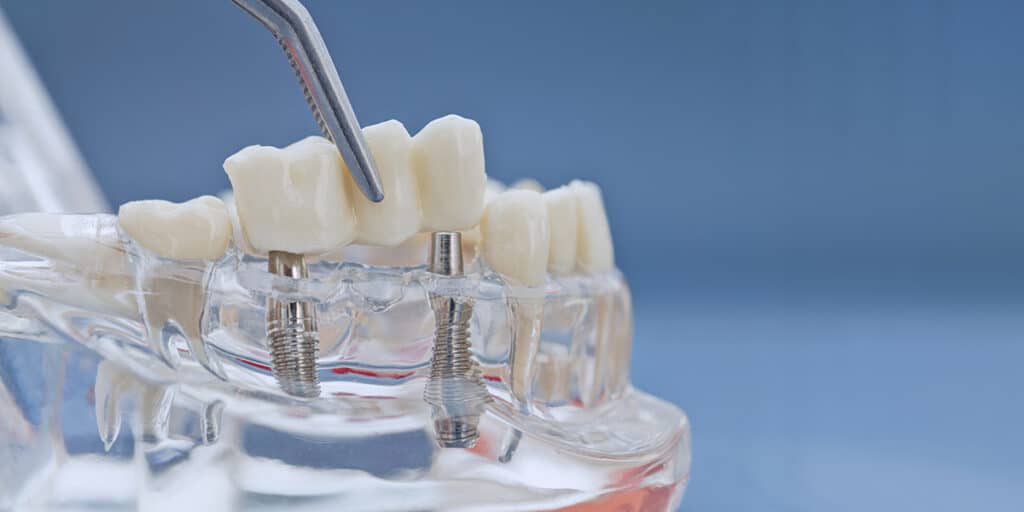
Dental implants are a popular tooth replacement choice because they are designed to look, feel, and work in a similar way to natural teeth, helping you feel more comfortable and confident when eating, speaking, and smiling. The implant itself acts like a tooth root that creates a secure foundation for the replacement tooth placed on top.
One of the key benefits of dental implants is that they can help protect the health of your jawbone. When a tooth is missing, the bone in that area can slowly reduce over time because it is no longer being stimulated. As implants replace the missing tooth root, they can help maintain the strength and structure of the jaw.
Dental implants also do not rely on neighbouring teeth for support. Unlike bridges, they do not usually require the teeth next to the gap to be filed down or reshaped, which helps preserve your natural teeth while providing a stable replacement for the missing tooth.
With good oral hygiene and regular dental visits, dental implants can last for many years. They are designed to be a long-term solution and can be looked after in much the same way as natural teeth with brushing, flossing, and attending regular dental implants to make sure they are healthy and functioning properly.
Cons of dental implants
While dental implants can be an effective way to replace missing teeth, there are some potential drawbacks to consider. One of the main disadvantages is the higher initial cost compared with treatments like dental bridges. Although implants can be a long-term solution, the upfront investment may not be possible for everyone. That being said, many dental practices offer flexible payment options these days to help spread the cost of treatment to make it more affordable.
Another factor to keep in mind is that implant treatment usually takes longer to complete. Once the implant has been placed, it needs time to heal and join with the jawbone before the replacement tooth can be fitted, meaning the full process can take several months, depending on how quickly you heal and whether any additional treatment is needed.
Dental implant placement also involves a surgical procedure, which means you need to be in good enough oral health for treatment. Your dentist will check that your gums are healthy and that there is enough bone in your jaw to support the implant. If you do not, a bone graft may be recommended, which can add to the overall length and cost of the process.
Additionally, dental implants are not always the right choice for everyone, and certain medical conditions, smoking habits, or existing dental issues may affect a person’s suitability for treatment. A consultation with a dental professional can help you understand whether implants could be a good option for your needs.
Pros of dental bridges
Dental bridges can be a practical option for those who would like a quicker treatment process when it comes to replacing missing teeth. Compared to dental implants, bridges often require fewer appointments and eliminate the need to wait for an implant to heal within the jawbone, which means the replacement tooth can usually be fitted sooner.
Another advantage of dental bridges is that they often have a lower upfront cost than implants, but are still able to achieve a natural-looking result. For some patients, this can make them a more affordable choice for replacing a missing tooth.
Dental bridges can also help restore the look and function of your smile by filling the gap left by a tooth. As well as helping to improve appearance, they make activities like eating and speaking feel more comfortable. Plus, because they do not require surgery, they may also be suitable for people who are unsuitable for, or do not want to have, implants.
Bridges have been used successfully for many years and are still considered a trusted tooth replacement option. With the right care and regular dental check-ups, a bridge can provide a reliable solution that helps support your smile and everyday comfort.
Cons of dental bridges
One thing to consider with dental bridges is that they usually need support from the teeth next to the gap. To help hold the bridge in place, these teeth will need to be reshaped by removing a small amount of enamel to prepare them for the crowns. While this allows the bridge to fit securely, it does mean that the neighbouring teeth need to be altered.
Unlike dental implants, bridges do not replace the root of a missing tooth, therefore they do not provide the same stimulation to the jawbone. This can mean the bone in that area continues to change over time, so it is something to discuss with your dentist when comparing different tooth replacement options.
Dental bridges can be a reliable solution, but they may need replacing in the future as, over time, everyday use, damage, or changes to the teeth supporting the bridge can affect how long it lasts. Regular check-ups allow your dentist to check the condition of the bridge and make sure it is still working properly.
Cleaning around a dental bridge can also take a little more effort than cleaning natural teeth. Food and plaque can build up underneath the bridge, so using tools such as special floss or interdental brushes may be recommended. Looking after your oral health in general is important too, as problems with the supporting teeth could affect the stability of the bridge.
Choosing the best option for you
What works for one person may not be the best choice for someone else so, when it comes to choosing between dental implants or a bridge, you should focus entirely on you. Your dentist will assess your oral health, discuss your priorities, and help you understand which treatment is most suitable for your smile.
Some of the main things to think about include:
- Your overall oral health: Your dentist will check your gums, remaining teeth, and jawbone before recommending a treatment. If you have problems like gum disease or tooth decay, these will usually need to be treated first.
- Your long-term goals: If you are looking for a long-lasting replacement that feels and functions much like a natural tooth, dental implants may be the better option. However, a dental bridge may be more suitable if you want a quicker solution or are not suitable for implants.
- Your budget and treatment timeframe: The cost of treatment and how long it takes to complete can influence your decision. However, finance options may be available to help spread the cost into more manageable monthly payments.
- The location of the missing tooth: Where the gap is in your mouth, along with the condition of the surrounding teeth, can affect which treatment is recommended. Replacing a front tooth may focus more on appearance, while back teeth need to be able to cope with the pressure of chewing.
Talking to your dentist is the best way to decide which option is right for you. They can explain the benefits and limitations of each treatment, answer your questions, and recommend a solution based on your oral health, needs, and expectations.
| Feature | Dental implants | Dental bridges |
| Structure | Titanium screw-in bone with a crown | False tooth anchored by crowns on adjacent teeth |
| Impact on neighbouring teeth | None, stands alone | Adjacent teeth need filing down |
| Jawbone health | Preserves bone and stimulates growth | Does not prevent bone loss under the gap |
| Lifespan | 15 to 25 years and more, often a lifetime | 5 to 15 years |
| Treatment timeline | 3 to 9 months, as requires healing time | 2 to 3 visits over a few weeks |
| Cost | From £1,500 for a single implant to £40,000+ for full-mouth restoration | Between £500 to £2,500 for a standard replacement, can be £4000+ for bridges replacing mutliple |
| Cleaning and care | Brushed and flossed like a natural tooth | Needs special floss threaders |
Restoring your smile at Fulham Road Dental
At Fulham Road Dental, we know that replacing a missing tooth is a big decision, and there is no one-size-fits-all solution. That’s why we take the time to listen to your concerns, answer your questions and recommend the treatment that best suits your smile, lifestyle and long-term dental health. We believe that understanding your options is the first step towards making a decision you feel confident about.
Whether a dental implant or a bridge is the right choice for you, our friendly team is here to support you throughout your treatment. From your first consultation to your final restoration, we’ll make sure you feel comfortable, informed and well cared for. If you’re ready to restore your smile, we’d be happy to help you explore the options available.
FAQs
Can a dental bridge replace more than one missing tooth?
A dental bridge can replace more than one missing tooth if the surrounding teeth are strong enough to support it. The number of teeth a bridge can replace depends on where the gap is, the condition of the neighbouring teeth, and your overall oral health, following a thorough dental assessment by your dentist.
For larger gaps, a different treatment may be recommended if a bridge is unlikely to provide enough support. Your dentist will examine your mouth, explain your options, and help you choose the most suitable solution for your smile and everyday comfort.
What makes dental implants look natural?
Dental implants look natural because they are made to match your existing teeth as closely as possible. The replacement tooth is shaped and coloured to blend with your smile, while the implant beneath it provides a secure foundation. This helps create a result that looks and feels comfortable during everyday life.
A natural-looking outcome also depends on careful planning and the skill of your dentist. They will consider your gums, surrounding teeth and bite before creating your new tooth. When looked after properly, dental implants can continue to look attractive and function comfortably for many years.
Will my speech be affected after treatment?
After dental implant or bridge treatment, your speech may feel a little different at first while your mouth gets used to the new restoration. This is usually only temporary, and most people adjust quickly. Taking time to speak normally and practise conversations can help you feel comfortable again.
If you notice any ongoing changes to your speech, your dentist can check that your restoration fits correctly. Once you have adapted, a well-fitted dental implant or bridge should allow you to speak clearly and naturally. Many people find that their speech returns to normal as they become more familiar with their new smile.