
Dental crowns are one of the most common procedures in restorative dentistry, designed to restore damaged teeth, protect weakened teeth, and improve the appearance of natural teeth. Whether you have a cracked tooth, a badly broken tooth, or a discoloured tooth, crowns for teeth can offer a long-term solution.
Understanding the types of dental crowns, the dental crown procedure, and how to care for a new crown is essential for maintaining good oral health and dental care. This guide covers everything you need to know about crowns for teeth, from materials to costs and aftercare.
What are dental crowns?
Definition of a dental crown
A dental crown is a tooth-shaped cap that sits over the entire tooth, helping to restore its shape, strength, and function. It is used to protect teeth that are weakened, damaged, or decayed, making sure the tooth can still work properly for chewing and biting. Dental crowns are also often used after a root canal treatment to protect treated teeth.
Crowns for teeth can be made from different materials, each suited to specific needs. Some are very strong and perfect for back teeth, while others are made for front teeth, where how they look is important. They offer a complete way to restore damaged teeth while keeping a natural appearance.
Purpose and function
The primary purpose of dental crowns is to restore damaged teeth while maintaining natural tooth structure. They cover teeth that are cracked, chipped, worn down, or severely decayed. A crown fits over a damaged or weakened tooth, providing strength, durability, and a natural appearance. Crowns for teeth also help distribute chewing forces evenly across the tooth and surrounding teeth.
Crowns can also improve dental health by preventing further decay or damage to a weak tooth. They serve as a protective layer, reducing the risk of a tooth breaking under chewing forces and supporting long-term oral health when combined with regular dental check-ups.
Types of dental crowns
Metal crowns
Metal crowns are made from gold alloys or base metal alloys and are extremely durable. They are ideal for back teeth that are subject to high chewing forces. Metal crowns are less prone to chipping and can last decades with proper care. However, they do not blend with natural enamel, so they are less commonly used for front teeth.
Metal crowns are also biocompatible and generally do not irritate the gum line. Their durability makes them an excellent choice for patients with weakened teeth or large fillings, particularly when a dental crown needs to withstand heavy chewing forces over many years.
Porcelain-fused-to-metal crowns
Porcelain-fused-to-metal, or PFM, crowns combine the strength of metal alloys with the natural appearance of ceramic crowns. The metal provides a strong base, while the porcelain front surface mimics natural tooth enamel. PFM crowns are a popular choice for patients who need strength in back teeth but want a natural appearance for front teeth.
PFM crowns combine strength and appearance, making them suitable for teeth that are both used for chewing and seen when smiling. They are made in dental laboratories to fit exactly over existing teeth, making sure chewing forces are spread evenly while keeping a natural appearance.
All-ceramic or all-porcelain crowns
All-ceramic or all-porcelain crowns offer the best aesthetic results, closely matching natural enamel. They are suitable for front teeth or teeth that are visible when smiling. Ceramic crowns are less durable than metal crowns but provide a natural appearance and are free of metal, which is ideal for patients with metal allergies.
Ceramic crowns are also highly resistant to staining, which helps maintain the colour of natural teeth. They are custom-designed by dental technicians in a dental laboratory to match the size, shape, and shade of surrounding teeth for a seamless finish.
Zirconia crowns
Zirconia crowns are extremely durable and provide a natural appearance. They withstand chewing forces and resist wear, making them suitable for both back and front teeth. Zirconia crowns are fabricated using advanced dental laboratory techniques and provide excellent strength for large fillings or severely fractured teeth.
Zirconia crowns also provide a smooth surface that is gentle on opposing teeth, reducing wear on natural enamel. They are increasingly popular due to their combination of strength and aesthetic quality, making them suitable for patients seeking a long-term solution.
Temporary crowns
A temporary crown is placed on a tooth while a permanent crown is being made. It protects the tooth, maintains tooth structure, and allows you to chew safely. Temporary crowns are fixed with temporary cement and can last a few weeks before the permanent crown is ready. Proper care is essential to prevent damage to a temporary crown.
Temporary crowns also help the dentist evaluate your bite and adjust the permanent crown as needed. They provide a preview of the final fit and appearance while keeping the prepared tooth safe from decay or damage.
Reasons for getting a crown
Protecting a weakened tooth
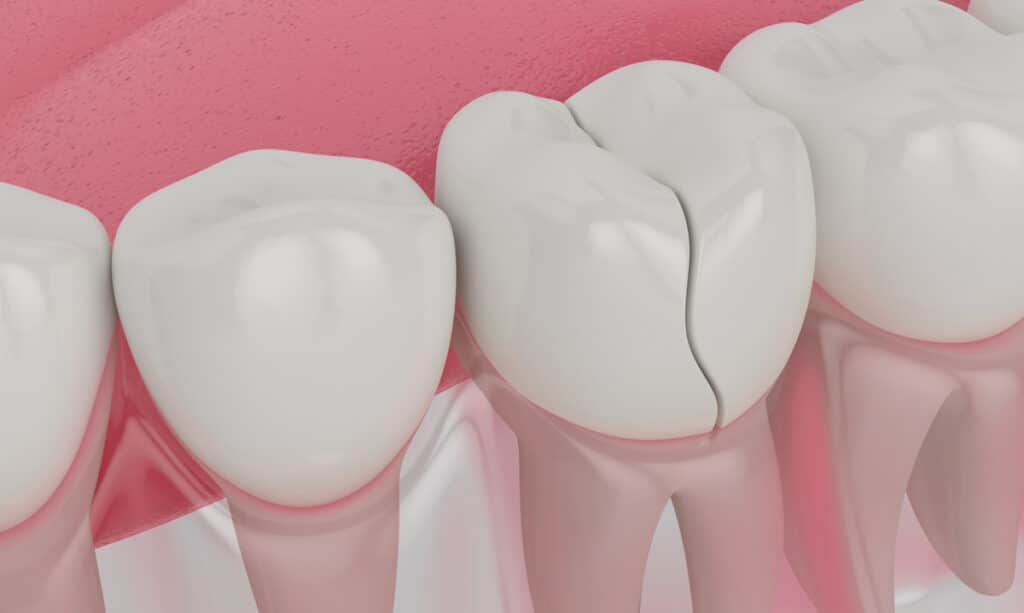
Dental crowns are often used to protect weakened teeth that have large fillings, cracks, or worn-down tooth enamel. A crown prevents further damage to tooth tissue and restores dental health. Covering a weak tooth with a dental cap ensures it can continue to function normally without further risk of breaking.
Crowns are particularly important after a root canal treatment because the tooth becomes more brittle. A well-fitted crown reinforces the treated tooth and prevents fractures or further deterioration.
Restoring a broken or worn tooth
A broken tooth or worn-down tooth can affect chewing, speaking, and aesthetics. Crowns for teeth restore damaged teeth to their original shape and strength. They can cover chipped teeth, badly broken teeth, or teeth with cracked surfaces, restoring both function and appearance.
By restoring damaged or weakened teeth, crowns help maintain the natural tooth structure and prevent additional dental problems. This also ensures the surrounding teeth are not adversely affected by changes in bite or chewing forces.
Covering a dental implant
Dental implants replace missing teeth, and a crown is fitted on top to recreate a natural tooth. A dental crown on an implant ensures the tooth functions like natural teeth and blends seamlessly with surrounding teeth.
Crowns on implants are designed to handle chewing forces effectively, providing a permanent solution that looks and feels like a natural tooth. Proper care and regular dental visits ensure the longevity of the dental restoration.
Cosmetic improvement
Crowns for teeth can improve the appearance of discoloured teeth, misaligned teeth, or teeth with irregular shapes. Ceramic crowns or porcelain fused crowns offer a natural appearance, enhancing your smile while maintaining natural tooth structure.
Cosmetic crowns are also useful for covering teeth that have worn down over time or have undergone multiple restorative procedures. They help provide a uniform, aesthetically pleasing smile while protecting dental health.
How dental crowns are made
Traditional lab-made crowns
Traditional crowns are made in a dental laboratory using impressions taken at the dentist’s office. Dental technicians craft the crown to match the size, shape, and colour of surrounding teeth, ensuring a natural appearance and a proper crown fit.
This process ensures that crowns are customised for each patient, taking into account the natural tooth structure and the alignment with opposing teeth. Attention to detail in a dental laboratory helps achieve a precise fit that supports long-term oral health.
CEREC and same-day crowns
Some dental practices use CEREC technology to create a permanent crown in a single visit. Digital scans replace traditional impressions, and a milling machine produces a ceramic crown. Same-day crowns are convenient and reduce the need for a temporary crown.
CEREC crowns also allow dentists to visualise and adjust the crown before placement. This ensures the crown fits well with the bite, protects the weakened tooth, and looks natural alongside existing teeth.
The crown procedure step by step
Initial consultation and examination
The dentist examines damaged or weakened teeth and may take X-rays to assess the tooth structure and surrounding teeth. A treatment plan is created to decide the type of crown suitable for your needs.
During this stage, dentists also consider your oral health, the condition of opposing teeth, and any history of dental restoration. This ensures the crown will restore damaged teeth effectively while preserving natural tooth structure.
Tooth preparation
The dentist removes any decay, old fillings, or damaged tooth tissue. A thin layer of natural enamel and tooth structure is shaved down to allow the crown to fit securely over the entire tooth.
Tooth preparation also ensures that the crown aligns with surrounding teeth and does not affect your bite. This step is crucial for ensuring that chewing forces are distributed evenly and that the crown fits comfortably.
Taking impressions
An impression of the prepared tooth is taken to create a dental cap that matches the tooth shape and colour. Digital scans or physical moulds are sent to a dental laboratory or used in chairside milling.
Accurate impressions are essential to create a crown that protects the tooth and blends with the natural teeth. They also ensure that the new crown maintains proper contact with opposing teeth for chewing efficiency.
Fitting a temporary crown
A temporary crown protects the prepared tooth while the permanent crown is being made. Temporary crowns are attached with temporary cement and help maintain tooth function and appearance.
Temporary crowns also prevent sensitivity and discomfort while eating or drinking. They allow the dentist to assess your bite and make adjustments to the permanent crown if needed.
Placement of the permanent crown
Once the new crown is ready, the dentist removes the temporary crown and checks the fit. The permanent crown is cemented in place, ensuring it does not interfere with the bite or opposing teeth. Adjustments are made for chewing comfort.
A properly fitted crown also protects the tooth enamel, strengthens weakened teeth, and restores the natural appearance of the smile. Follow-up appointments ensure that the crown remains stable and effective.

Lifespan of a crown
Average durability
Dental crowns generally last between 10 and 15 years, depending on the material, chewing habits, and oral hygiene. Metal crowns and zirconia crowns tend to last longer due to their strength.
Crowns on front teeth may be more susceptible to wear or chipping, particularly if you have habits such as nail-biting or chewing hard foods. Regular dental visits help ensure that crowns continue to protect teeth effectively over time.
Factors affecting longevity
The lifespan of a crown depends on oral health, the condition of the underlying tooth, and proper care. Crowns on teeth that undergo root canal treatment may last longer if the tooth structure is strong and well-maintained.
Other factors include the fit of the crown, alignment with opposing teeth, and the patient’s overall dental care routine. Crowns that are well cared for and placed with precision in a dental laboratory can last decades without issues.
Signs your crown may need replacing
Crowns may need replacement if they become loose, chipped, or worn. Pain, sensitivity, or decay at the gum line may indicate problems. Regular dental check-ups help identify issues before they worsen.
Discolouration, rough edges, or an uneven bite may also signal that a crown requires attention. Addressing these problems early can prevent damage to surrounding teeth or the underlying natural tooth structure.
Cost of dental crowns
Average price range
The cost of a crown varies depending on the material and complexity. Ceramic crowns and zirconia crowns are more expensive due to aesthetic quality and durability, while metal crowns or base metal alloys are more affordable.
The cost may also vary depending on whether the crown is being placed on a front tooth or a back tooth, as cosmetic requirements are higher for teeth that are visible when smiling. Dental laboratories may charge more for intricate or customised designs.
Factors influencing cost
How much crowns cost is affected by the type of crown, the condition of the damaged or weakened tooth, and whether additional procedures like root canal treatment are required. Treatment plans and dental laboratory fees also influence overall costs.
Other considerations include whether a temporary crown is needed, the number of crowns required, and the dentist’s experience. Understanding the full cost of crowns helps patients plan their dental care and maintain long-term dental health.
Aftercare and maintenance
Oral hygiene tips
Proper care includes brushing twice daily with a soft-bristle toothbrush and flossing carefully around the gum line. Good oral hygiene prevents decay under the crown and maintains surrounding teeth.
Brushing with fluoride toothpaste and rinsing with an antibacterial mouthwash can help protect tooth tissue and lower the chance of gum irritation. Keeping good oral health also helps make sure the crown fits well and lasts as long as possible.
Foods to avoid
Avoid sticky, hard, or very chewy foods that could dislodge a crown. Chewing forces on temporary crowns should be minimised to prevent breakage.
Biting on pens, ice, or hard sweets can also damage the crown or opposing teeth. Being mindful of these habits helps preserve both crowns and natural enamel for the long term
Managing sensitivity or discomfort
Some sensitivity is normal after a crown is placed. Using toothpaste for sensitive teeth and avoiding extreme temperatures can help. Persistent pain should be evaluated during regular dental visits.
Sensitivity may also occur around the gum line, especially if the crown covers a treated tooth or weakened teeth. Most discomfort settles over a few weeks, but any prolonged pain should be assessed by a dentist to ensure proper dental restoration.
Risks and complications
Tooth decay under a crown
If the crown does not fit properly or if oral hygiene is poor, decay can develop under the crown. This affects both natural tooth structure and long-term dental health.
Early signs include tenderness, bad breath, or minor staining around the gum line. Timely treatment can save the tooth and prevent the need for more complex restorative dentistry.
Crown loosening or falling out
Temporary cement can wear down, causing a temporary crown to loosen. Permanent crowns can also become loose due to trauma or inadequate adhesion. Prompt attention at the dentist’s office can prevent further damage.
A loose crown may also cause discomfort while chewing or speaking and could damage the underlying tooth if left untreated. Quick replacement ensures that the tooth remains protected and chewing forces remain evenly distributed.
Allergic reactions to materials
Metal allergies may cause irritation when using crowns made from gold alloys or base metal alloys. Alternative materials such as ceramic crowns or zirconia crowns can be used.
Patients with known sensitivities should inform their dentist before a treatment plan is made. Using hypoallergenic materials helps restore damaged teeth without compromising dental health or causing gum irritation.
Gum irritation
Crowns that are not fitted properly may irritate the gum line. Swelling, redness, or bleeding should be checked during regular dental check-ups to make sure the crown fits well and protects teeth.
Irritation can also affect surrounding teeth if the crown is not in the right position. A well-fitted crown from an experienced dentist or dental laboratory prevents these problems while supporting overall oral health.

Alternatives to dental crowns
Dental bonding
Dental bonding uses composite resin to repair chipped or cracked teeth. It is less invasive than a crown but may not provide the same durability for heavily damaged teeth.
Bonding is a quick solution that can improve the appearance of front teeth and restore minor damage. However, for teeth that are severely decayed or badly broken, crowns for teeth remain the more reliable long-term option.
Veneers
Veneers cover only the front surface of a tooth and improve aesthetics. They are suitable for a discoloured tooth or minor chips, but are not recommended for severely decayed or broken teeth.
Veneers preserve more of the natural tooth structure compared to crowns, making them an appealing choice for cosmetic improvements. They work well for front teeth where the primary goal is enhancing appearance rather than full dental restoration.
Inlays and onlays
Inlays and onlays are used for large fillings or damaged teeth that do not require a full crown. They are custom-made dental restorations that preserve natural tooth structure while restoring function.
These restorations are often made from ceramic crowns or gold alloys and provide a precise fit that strengthens the tooth. Inlays and onlays are an effective alternative for teeth that are not badly broken but still require protection from further damage.
Crowns and restorative dentistry from Fulham Road Dental
At Fulham Road Dental, we combine restorative dentistry with skilled care to make sure each crown, whether after a root canal or to fix a chipped or worn-down tooth, supports the natural tooth structure and fits well with surrounding teeth. Properly fitted crowns help spread chewing forces, protect the entire tooth, and restore both function and appearance.
By treating cracked, discoloured, or severely decayed teeth, root canal treatment and crowns provide a long-term solution for dental restoration. Our team uses modern techniques and high-quality materials to make strong, natural-looking crowns that improve your smile while keeping dental health in good condition. With personalised treatment plans and careful aftercare, Fulham Road Dental ensures that each patient can enjoy strong, healthy teeth and a confident, natural appearance.
FAQs
How do I know which crown is right for me?
Choosing the right crown depends on where the tooth is, how much pressure it takes, and how you want it to look. Back teeth usually need stronger crowns because they handle more chewing. Front teeth often need crowns that match natural teeth closely. Your dentist will check the tooth, your bite, and your overall dental health before making a recommendation.
Materials, budget, and personal preferences also play a part. Some crowns are strong, while others focus on appearance. Your dentist will explain the options clearly and help you choose a crown that suits your needs and long-term oral health.
Is getting a crown painful?
Getting a crown is usually not painful because the tooth and surrounding area are numbed. Most people feel pressure rather than pain during treatment. If you are nervous, dentists can take extra steps to help you stay relaxed and comfortable throughout the procedure.
Afterwards, mild soreness or sensitivity is normal for a short time. This settles as your mouth adjusts to the new crown. Pain relief, soft foods, and good oral care usually manage discomfort well. Ongoing pain should be checked, as it may mean the bite needs adjustment. Most patients return to normal activities the same day without problems.
Are crowns permanent?
Crowns are not permanent, but they are designed to last many years with proper care. Most crowns last between ten and fifteen years, and some last longer. Their lifespan depends on the material used, how the tooth is treated, and daily habits like grinding or chewing hard foods.
Over time, crowns can wear down, loosen, or need replacing if the tooth underneath changes. Good oral hygiene, regular dental check-ups, and avoiding damage can help crowns last longer. Your dentist will monitor the crown and advise when replacement is needed to protect the tooth for long-term dental health and comfort.
Can crowns stain like natural teeth?
Crowns do not stain in the same way as natural teeth, especially those made from ceramic or porcelain. These materials resist colour changes from food and drinks like coffee, tea, or red wine, helping crowns keep their original shade over time.
However, the natural teeth around a crown can stain, making the crown look lighter by comparison. Good oral hygiene, regular cleaning, and avoiding heavy staining habits help keep everything looking even. Dentists can also polish crowns during check-ups to maintain their appearance. Professional advice helps choose materials that suit long-term appearance needs and lifestyle choices today for patients.
What’s the difference between crowns and veneers?
Crowns and veneers both improve teeth, but they cover different amounts of the tooth. A crown fits over the entire tooth, adding strength and protection. It is used when a tooth is badly damaged, weak, or heavily filled, and helps restore chewing function.
Veneers cover only the front surface of a tooth and focus on appearance. They suit teeth with minor chips, gaps, or colour problems. Veneers do not add much strength. Your dentist recommends crowns or veneers based on damage, function, and how much natural tooth needs covering. This choice ensures long-term comfort and healthy results for patients.
Can a crown get a cavity under it?
A crown itself cannot get a cavity, but the tooth underneath can still decay. Bacteria can reach the tooth if plaque builds up around the edges of the crown, especially near the gum line. This is why cleaning around the crown is just as important as cleaning natural teeth.
Good oral hygiene, regular dental check-ups, and flossing daily reduce this risk. Dentists also check the seal of the crown during visits. If decay is found early, treatment is simpler. Keeping the crown clean helps protect the tooth and avoid further dental problems over time with consistent care habits at home.
Do crowns look natural, or will people notice?
Modern crowns are designed to look very natural and match your surrounding teeth. Dentists choose the colour, shape, and size carefully so the crown blends in. Crowns made from ceramic or porcelain are especially good at copying natural enamel.
Most people will not notice a crown once it is in place, even when you smile or talk. A crown may stand out only if natural teeth change colour over time. Regular cleaning and dental check-ups help keep everything looking even and natural. Dentists design crowns to suit your bite, lighting, and everyday appearance needs closely and comfortably for confidence daily.
What should I do if my crown chips or cracks?
If a crown chips or cracks, contact your dentist as soon as possible. Avoid chewing on that side of your mouth and keep the area clean. Small chips may be smoothed or repaired, but larger damage often needs treatment.
Do not ignore the problem, as a damaged crown can harm the tooth underneath. Your dentist will check the crown, your bite, and decide if it needs repair or replacement. Acting quickly helps prevent pain, infection, and further damage to the tooth and surrounding teeth. Prompt advice also protects your oral health and avoids more complex treatment later for you overall.
Are dental crowns covered by insurance?
Dental crowns are sometimes covered by insurance, but this depends on your policy. Cover is more likely if the crown is needed for dental health, such as repairing damage or protecting a tooth after treatment, rather than for cosmetic reasons.
Insurance plans vary in what they pay, including limits, waiting periods, and how much is reimbursed. It is important to check your policy details or speak to your insurer before treatment. Your dental practice can also explain costs clearly and help you understand what may or may not be covered. This avoids surprises later and helps with planning for your care.
Will I need other dental treatment before getting a crown?
Other dental treatment is sometimes needed before placing a crown. If the tooth has decay, infection, or a large filling, this must be treated first. Root canal treatment may be required if the nerve is damaged or painful.
Your dentist will assess the tooth and your overall oral health before treatment. Gum disease, bite problems, or weak tooth structure may need attention first. Preparing the tooth properly helps the crown fit well, last longer, and protect the tooth from further damage. This careful planning ensures comfort, strength, and better long-term results for chewing, appearance, and daily use over time.