
Losing a tooth can be unsettling, whether it happens suddenly through injury or gradually due to tooth decay or gum disease.
Replacing teeth is not just about restoring appearance but also about maintaining good dental health, function, and confidence. Modern dentistry offers several options for replacing missing teeth, from dental implants to bridges and dentures.
Understanding the choices available and how to care for replacement teeth can help you achieve a natural and lasting smile.
Understanding tooth loss
Common causes of tooth loss in adults
Tooth loss can occur for many reasons. One of the most common is advanced tooth decay, which weakens the tooth structure and may lead to infection. Gum disease, or periodontal disease, can also cause the gums to recede and the jawbone to deteriorate, resulting in loose or missing teeth.
Some people lose teeth following an accident or injury to the mouth. Others may experience a discoloured or misshapen tooth that eventually needs replacing. Poor oral hygiene, smoking, and diet also contribute significantly to tooth loss.
How missing teeth affect oral health and confidence
Missing teeth can affect much more than your appearance. The gap left by a lost tooth can cause surrounding teeth to shift, altering your bite and increasing the risk of further damage.
It can also lead to bone loss in the jaw, making the face appear older and sunken. People with many missing teeth often struggle to eat comfortably and may experience bad breath or discomfort when chewing food.
Beyond physical concerns, missing teeth can impact your confidence and self-esteem, affecting how you smile, speak, and interact with others.
When to consider replacing teeth
Signs that indicate you need tooth replacement
If you have one or more missing teeth, replacing them sooner rather than later is essential.
Signs that you may need a tooth replacement include difficulty chewing, changes in how your teeth meet when you bite, and shifting or loosening of adjacent teeth. A discoloured or misshapen tooth that causes discomfort or disrupts the harmony of your smile might also need replacement.
In some cases, even a single missing tooth can affect overall dental health and should be addressed promptly.

The risks of delaying tooth replacement
Leaving a gap unfilled can cause long-term issues. The surrounding teeth may drift into the space, leading to misalignment or changes in bite function. This can create uneven pressure when eating and make teeth more prone to break or wear down.
Over time, the jawbone beneath the gap can shrink due to the lack of stimulation from a tooth root, which may require bone grafting before replacement. The longer the delay, the more complex the treatment can become.
Replacing missing teeth as soon as possible helps protect your oral health and maintain the structure of your face and smile.
Exploring tooth replacement options
Dental implants: a permanent solution
Dental implants are one of the most effective methods to replace teeth out there. Treatment involves placing a small metal post directly into the jawbone, where it acts as an artificial tooth root.
Once healed, the implant can support a new crown, creating a natural and strong replacement that looks and feels like a natural tooth. Implants can replace a single tooth, several teeth, or even a full arch.
For patients who do not have enough bone, bone grafting may be required before the procedure. Implant clinic dentists across the UK offer a range of options to suit individual needs and budgets.
Dental implants not only restore appearance but also protect the jawbone from further decay and damage. Unlike removable dentures, implants provide a fixed, long-lasting solution that allows you to eat comfortably, speak clearly, and maintain good oral hygiene.
Bridges and partial dentures: when implants aren’t suitable
For some patients, implants may not be the best option due to cost, medical conditions, or lack of bone density. In such cases, dental bridges or partial dentures are alternatives.
A dental bridge is used to replace one or more missing teeth by literally bridging the gap with a false tooth supported by crowns fitted to the adjacent teeth. Bridges are often made from strong materials that blend seamlessly with your natural teeth.
Dentures are removable devices that can replace several teeth or a full arch of missing teeth. Modern dentures are designed to fit comfortably and look natural, helping restore function and appearance. While they are not a fixed solution, they remain a reliable and affordable choice for many people.
Preparing for a tooth replacement procedure
What to expect during your initial dental assessment
Your journey towards replacing missing teeth begins with a comprehensive dental consultation.
During this visit, your dentist will assess your mouth, gums, and jawbone to determine which tooth replacement option is most suitable. X-rays or 3D scans may be taken to evaluate bone density and the health of surrounding teeth.
The implant clinic will also discuss your overall dental health, expectations, and lifestyle factors to ensure the best outcome.
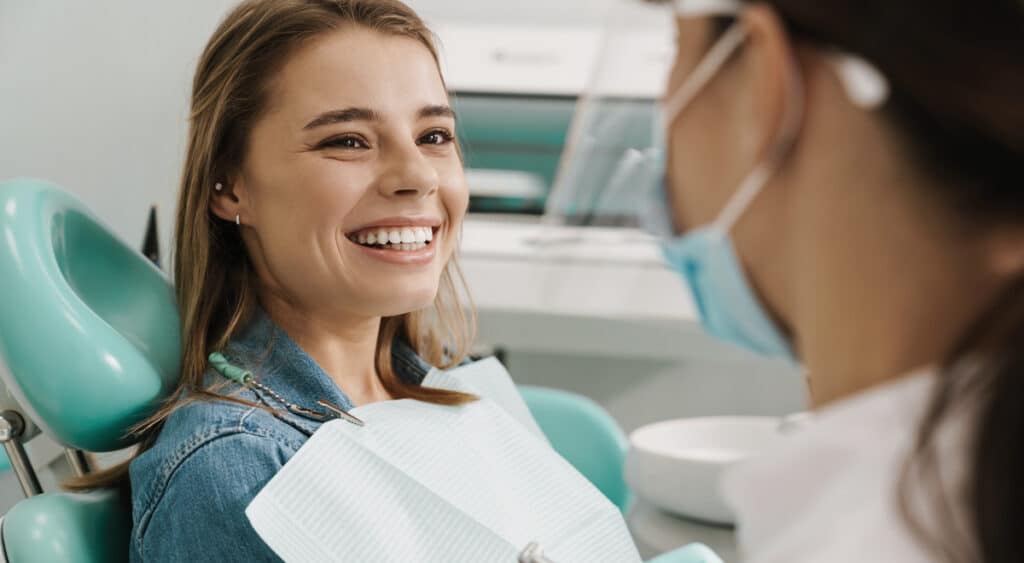
Factors your dentist will consider before recommending treatment
The final decision on treatment will depend on several factors, including the number of teeth missing, the condition of your gums, and the amount of bone available for support. Your dentist will also consider whether you are missing one side of the arch or many missing teeth across the mouth.
In some cases, treatment may involve restoring an existing tooth with a new crown instead of full replacement.
Cost, recovery time, and how well you maintain oral hygiene will also influence the recommended approach.
Caring for your replacement teeth
Daily hygiene routines for implants, bridges, and dentures
Maintaining a good oral hygiene routine is vital after any tooth replacement.
For implants and bridges, brushing twice daily with a soft-bristled brush and fluoride toothpaste helps remove plaque and protect surrounding teeth. Flossing around the implant or under the bridge prevents food build-up that can lead to decay or infection.
Patients wearing dentures should clean them daily using specialised denture cleaning solutions and remove them at night to give the gums a rest.
Regular dental check-ups and professional cleaning
Regular visits to your dentist or implant clinic are crucial to keep your replacement teeth in top condition. Professional cleaning helps remove plaque and tartar that ordinary brushing may miss.
During check-ups, your dentist will inspect the fit of crowns, bridges, or dentures and assess the health of your gums and jawbone.
Early detection of any issues, such as gum inflammation or loose fittings, can prevent further damage and extend the life of your replacement teeth.
Lifestyle tips for a healthy smile
Diet and nutrition for strong teeth and gums
A balanced diet is essential for maintaining strong teeth and healthy gums. Eating a variety of nutrient-rich foods supports bone strength and healing after dental treatment.
Calcium and vitamin D help protect the jawbone and surrounding teeth, while crunchy vegetables and fruits promote saliva production, which naturally cleanses the mouth.
Avoid sugary snacks and drinks that can lead to decay around the replacement or existing tooth. Staying hydrated also reduces the risk of bad breath and keeps the mouth fresh.
Avoiding habits that can damage replacement teeth
Certain habits can compromise the success of your tooth replacement. Avoid chewing on hard foods such as ice or boiled sweets, as they can cause implants or crowns to break.
Smoking and excessive alcohol intake can slow healing and increase the risk of gum disease. If you grind your teeth at night, your dentist may recommend a mouth guard to protect both natural and replacement teeth.
Following your dentist’s advice ensures your replacements last longer and continue to function well.

Long-term oral health maintenance
Recognising early signs of dental issues
To maintain good dental health, it is important to recognise the warning signs of potential problems early. Persistent bad breath, bleeding gums, or discomfort when biting may indicate infection or gum inflammation.
If you notice that your replacement teeth feel loose or your bite feels uneven, contact your dentist promptly. Early intervention can prevent more serious issues and help preserve both your natural and artificial teeth.
Building lifelong habits for lasting oral health
Achieving and maintaining a healthy smile requires consistent effort. Brush and floss daily, visit your dentist regularly, and maintain a healthy lifestyle to keep your teeth and gums in the best possible condition.
Whether you choose dental implants, bridges or dentures for your new tooth, regular care ensures they remain secure, functional, and natural-looking.
With the right habits, you can protect your smile for life and enjoy the confidence that comes from strong, healthy teeth.
Fulham Road Dental: restorative dentistry for a perfect overall smile
At Fulham Road Dental, we provide restorative dentistry that restores both the function and appearance of your smile. Whether you need to replace missing teeth or repair a discoloured or misshapen tooth, our skilled team uses modern techniques to create strong, natural-looking results. We focus on preserving your natural teeth wherever possible and providing durable, long-term replacements when needed.
Our implant clinic dentists and restorative specialists tailor every treatment plan to your needs, from dental implants and bridges to custom dentures. We aim to protect your oral health, strengthen surrounding teeth, and help you achieve a confident, healthy smile that lasts.
Contact Fulham Road Dental today to find out how our restorative treatments can help you restore your smile and improve your overall dental health.
FAQs
How soon after losing a tooth can I get it replaced?
You can usually replace a missing tooth as soon as your mouth has fully healed, which often takes a few weeks. The exact timing depends on your oral health, the condition of your gums, and whether you need extra treatment, such as bone grafting, before fitting a dental implant.
If there is enough bone and no infection, some patients may be able to have a dental implant placed soon after tooth removal. Your dentist will check your mouth and jaw to decide when it is safe to start treatment and which tooth replacement option is best for you.
Do tooth replacements look and feel natural?
Yes, modern tooth replacements are designed to look and feel very natural. Dental implants, bridges, and dentures are made to match the colour, shape, and size of your natural teeth, so they blend in with your smile. Skilled dentists ensure that the fit and finish are comfortable and lifelike.
With proper care, replacements such as dental implants also function like real teeth. They allow you to eat, speak, and smile confidently without discomfort. The materials used are durable and smooth, so they feel natural in your mouth and help maintain a balanced and healthy bite.
Can I get a dental implant for just one missing tooth?
Modern tooth replacements are made to closely match your natural teeth in both look and feel. Dental implants, bridges, and dentures are carefully shaped and coloured to blend with the rest of your smile, so most people will not notice the difference. Dentists design each replacement to suit your mouth and bite for a comfortable, natural appearance.
Once fitted, replacements such as dental implants function like real teeth. You can eat, speak, and smile normally without discomfort. The smooth materials and secure fit help the replacements feel natural inside your mouth, giving you confidence and maintaining a balanced bite.
Will I be able to eat as normal with replacement teeth?
After your mouth has healed and the replacement teeth are securely fitted, you should be able to eat most foods as normal. Dental implants, bridges, and well-made dentures are designed to restore natural function, allowing you to bite and chew comfortably. At first, your dentist may suggest eating softer foods while you get used to the new teeth.
Once you feel confident, you can slowly return to your usual diet. Replacement teeth made from strong materials are built to handle daily eating, but it is best to avoid very hard or sticky foods that could damage the new teeth.
Does smoking affect the lifespan of teeth restorations?
Smoking can have a negative impact on the lifespan of teeth restorations. It affects gum health and reduces blood flow to the jaw, which can slow healing after procedures like dental implants. This can increase the risk of complications, such as infection or implant failure.
Over time, smoking may also cause staining and weaken the surrounding teeth and gums, making restorations like crowns, bridges, and dentures less durable. Patients who smoke may find that their replacements need repairs or replacement sooner than non-smokers. Quitting smoking or reducing use can help improve the success and longevity of dental restorations.
Am I a good candidate for dental implants?
A good candidate for dental implants is generally someone with healthy gums and enough bone in the jaw to support the implant. Patients should have good overall dental health and be free from untreated tooth decay or gum disease. Those who maintain regular oral hygiene and attend dental check-ups are more likely to have successful outcomes.
Certain health conditions, smoking, or medications that affect bone healing may influence whether implants are suitable. Your dentist will assess your mouth, jawbone, and general health before recommending treatment. They can advise if dental implants are the best option for replacing your missing teeth.
How long does it take to get replacement teeth from start to finish?
The time it takes to get replacement teeth depends on the type of treatment and your individual dental health. For dental implants, the process usually starts with an initial consultation and assessment, followed by implant placement. Healing and integration with the jawbone can take several weeks to a few months before a new crown or bridge can be fitted.
Other options, such as dentures or dental bridges, can often be completed more quickly, sometimes within a few weeks. Your dentist will create a treatment plan with clear timelines, ensuring that your replacement teeth are secure, comfortable, and functional.
Is getting teeth replaced painful?
Getting teeth replaced is usually not very painful because dentists use local anaesthetic during procedures like dental implants or fitting bridges. You may feel some pressure or movement, but sharp pain is generally avoided. After the procedure, mild discomfort or soreness in the gums and jaw is common as your mouth heals.
This discomfort can often be managed with over-the-counter pain relief and usually eases within a few days. Following your dentist’s aftercare instructions, such as avoiding hard foods and keeping the area clean, helps reduce pain and supports faster healing, making the overall process comfortable.
What can I expect in the hours and days immediately after getting teeth replaced?
In the hours immediately after getting teeth replaced, it is normal to experience mild bleeding, swelling, or soreness around the treated area. Your dentist may recommend resting, avoiding hot drinks, and eating soft foods. Applying a cold compress can help reduce swelling, and any discomfort can usually be managed with over-the-counter pain relief.
In the days following the procedure, gums may feel tender and the area might be slightly sensitive. Keeping the mouth clean with gentle brushing and rinsing as advised by your dentist helps prevent infection. Most patients notice gradual improvement as the healing process continues.