
Gum Disease Fulham
Gum disease is a condition that affects the gums and supporting structures of the teeth, including ligaments and bone. It can lead to inflammation, infection, and in severe cases, tooth loss. The severity of gum disease varies, with early stages causing mild symptoms such as swollen gums and later stages resulting in notable damage to tissue.
Gum disease not only affects oral health but can also have an impact on overall well-being. Research suggests links between gum disease and conditions like heart disease and diabetes, making proper oral hygiene essential for maintaining both oral and general health.


Symptoms of gum disease
Gum disease can present itself in various ways, depending on its severity. Recognising the symptoms early can help prevent further damage to your teeth and gums. Here are some common signs of gum disease to watch for.
Swollen or bleeding gums
One of the first signs of gum disease is swollen, red, or tender gums. You may also notice that your gums bleed when you brush or floss your teeth. This is a sign that the gums are inflamed, which is common in the early stages of gum disease.
Bad breath
Persistent bad breath, or halitosis, can be another symptom of gum disease. The bacteria in infected gums can cause a foul smell that doesn’t go away with brushing or mouthwash.
Receding gums
As gum disease progresses, it can cause the gums to pull away from the teeth, known as gum recession. This may make the teeth appear longer than usual, cause increased sensitivity, or even result in loose teeth.
Pus between teeth
In more advanced stages of gum disease, pus may form between your teeth and gums, which can be a sign of infection.
If you notice any of these symptoms, it’s important to consult a dentist for early diagnosis and treatment.




What causes gum disease?
The main cause of gum disease is plaque, a sticky film of bacteria that forms on teeth and gums. If plaque builds up, it can lead to inflammation and infection in the gum tissue. Poor oral hygiene is another major contributor to the development of gum disease. Not brushing your teeth allows plaque left on the teeth to harden into tartar, which can irritate the gums. Learn how to remove plaque the correct way here.
Other factors like smoking weaken gum tissue and lower blood flow. Health conditions like diabetes can weaken the immune system, making it harder to fight infection. Hormonal changes, such as pregnancy or menopause, can make gums more sensitive. Genetics, medications, and a bad diet can also increase the risk of gum disease.
Specialist gum care from a periodontist
Specialist gum care from a periodontist focuses on treating and managing gum disease, particularly when it becomes more severe. Periodontists are dental specialists with advanced training in the prevention, diagnosis, and treatment of gum disease. They use various treatments to restore and maintain gum health.
For early stages of gum disease, non-surgical treatments like scaling and root planing are common. This process involves thoroughly cleaning the teeth and gums to remove plaque and tartar buildup, helping the gums heal.
In more advanced cases, a periodontist may recommend surgical options such as flap surgery, where the gums are lifted to clean the deeper areas, or gum grafts to restore lost tissue. Laser therapy can also be used to target infected tissue with pinpoint precision.
A periodontist also offers advice on home care routines and preventive measures to help manage and reduce the risk of gum disease in the future.
Get healthy gums and a healthy mouth at Fulham Road Dental
Our expert team at Fulham Road Dental is dedicated to providing comprehensive care for your gums using the latest techniques and technology. Whether you need routine cleanings or advanced treatments like scaling, root planing, or gum surgery, we offer personalised solutions tailored to your needs.
We take a proactive approach to dental health, helping you maintain strong, healthy gums through education and regular check-ups. At Fulham Road Dental, we understand the link between oral health and overall well-being, and we’re committed to helping you achieve a healthy smile for life.
Enquire about gum disease


Take advantage of the Medicred dental finance option. Spreading the cost is fast and easy with our online system. We are partnered with Medicred and you will get your approval within minutes. Click below to apply now.

Fulham Road Dental Reviews
We are exceptionally proud of the services offered by our dentists.
We are consistently 5 star rated by our patients as a leading dentist in Fulham.
I had composite bonding done today by George...
Sheree
Could not recommend this practice enough
Rebecca B.
The practice is beautiful with some of the very best kit
Olivia P.
Amazing dental practice & team!
Kerry M.
Our Dental Treatments
From general family dentistry to specialist referrals Fulham Road Dental provide the very best dental care by our expert team of clinicians, with state of the art facilities.
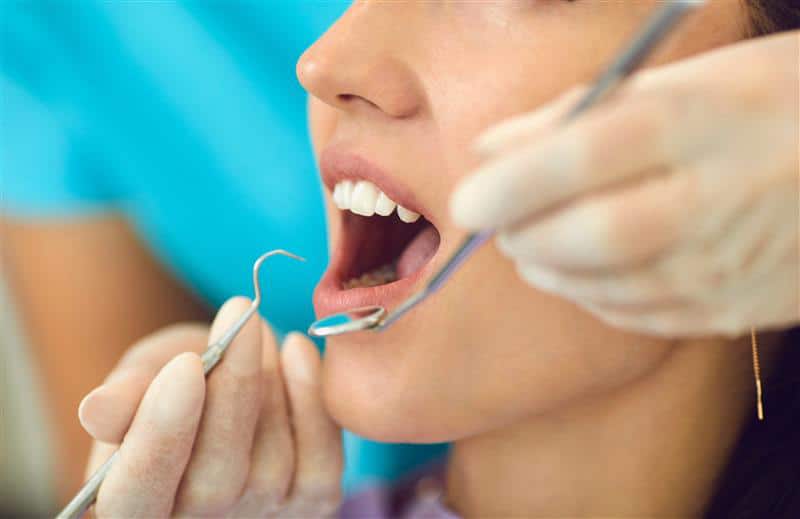
General Dentistry
We offer a full range of general dentistry services for our patients, click below to find out more.

Specialist Dentistry
We offer a full range of general dentistry services for our patients, click below to find out more.
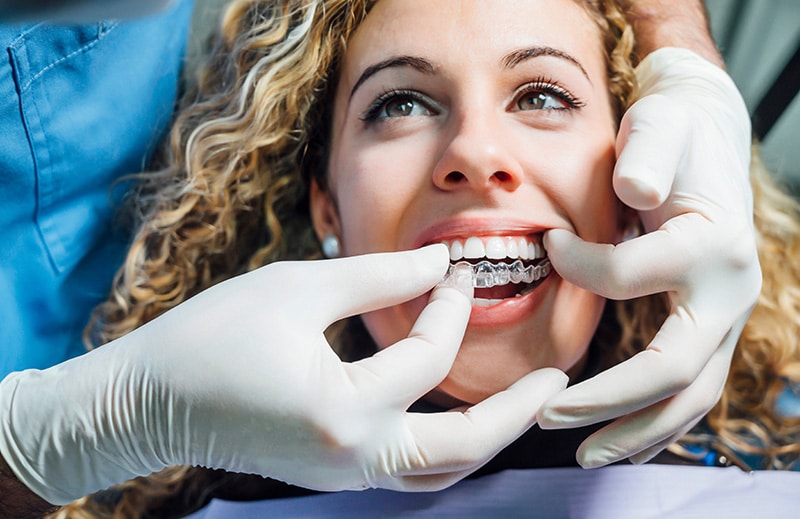
Smile Makeovers
We offer a full range of general dentistry services for our patients, click below to find out more.
Gum disease FAQs
What are the stages of gum disease?
Gum disease progresses in stages, beginning with mild inflammation and potentially leading to severe damage or tooth loss if left untreated. The first stage, gingivitis, causes the gums to become red, swollen, and prone to bleeding, but at this stage, no permanent tissue damage has occurred. If gingivitis is not treated, it can develop into periodontitis, where the infection spreads deeper into the supporting structures of the teeth. This can lead to gum recession and the formation of pockets between the teeth and gums, increasing the risk of further complications
As periodontitis worsens, it can result in advanced periodontitis, where the damage to the bone and tissue becomes severe. This stage can cause teeth to loosen, shift, or even fall out. Early detection and treatment are essential to prevent the condition from reaching these advanced stages.
How often should I visit a dentist to check for gum disease?
You should visit your dentist at least every six months for regular check-ups and cleanings. During these visits, your dentist will check for things like swollen gums, bleeding, or plaque buildup, that could suggest you have a problem with your gums. If you’re at higher risk for gum disease due to factors like smoking, diabetes, or a family history of the condition, your dentist may suggest more frequent visits.
Early detection is key to preventing gum disease from advancing, so regular dental visits help ensure that any issues are addressed before they become serious. If you notice any symptoms of gum disease, such as bleeding gums or bad breath, it’s important to schedule an appointment sooner.
Can gum disease affect my overall health?
In short, yes! Gum disease can increase the risk of serious health problems like heart disease, stroke, and diabetes. The bacteria from infected gums can enter your bloodstream and cause inflammation in other parts of your body. This can lead to problems like narrowing blood vessels, which raises the risk of heart issues.
Gum disease can also make it harder to control blood sugar levels in people with diabetes, making the condition worse. There is also evidence linking gum disease to lung problems, as bacteria from the mouth can be breathed into the lungs. Taking care of your gums through good oral hygiene is important for both your teeth and general health.
Is gum disease common?
Yes, gum disease is quite common, especially among adults. In fact, studies show that a large percentage of people experience some form of gum disease at some point in their lives. The early stage, called gingivitis, is especially widespread and can affect many people, often without them even realising. If gingivitis is not treated, it can progress to more serious forms of gum disease, like periodontitis.
Several factors, including poor oral hygiene and certain health conditions, can increase the likelihood of developing gum disease. While it’s more common as people age, anyone can be affected, regardless of age. The good news is that with regular dental care and good oral hygiene, gum disease can usually be prevented or managed effectively.
How can I treat gum disease at home?
Ultimately, periodontal treatment by a dental specialist is essential for controlling gum disease and maintaining healthy gums. However, there are steps you can take at home to support your gum health. Establishing a consistent oral hygiene routine is key—brush your teeth twice a day with fluoride toothpaste and floss daily to remove plaque that can contribute to gum disease. Additionally, use an antibacterial mouthwash as recommended by your dental professional to help reduce bacteria in your mouth.
Eating a healthy diet rich in vitamins, especially vitamin C, can support gum health. If your gum disease is more severe, however, it’s important to visit your dentist for professional treatment. Home care can help manage symptoms, but professional care is often necessary for full recovery.
Does smoking cause gum disease?
One of the major risks of smoking is gum disease as it weakens the immune system and reduces blood flow to the gums. This makes it harder for your body to fight off infections in your gums, delay healing and increase the chances of developing gum problems. Smoking creates deeper pockets between the teeth and gums, making them more likely to experience inflammation and bone loss. Additionally, smoking can interfere with the effectiveness of gum disease treatments, making it harder to manage or reverse the condition.
Quitting smoking can significantly reduce the risk of gum disease and improve overall oral health, along with other health benefits. Maintaining good oral hygiene is especially important for smokers to help prevent gum disease.
Can gum disease lead to tooth loss?
Sadly, if not treated, gum disease can lead to tooth loss. In the early stages, gum disease (gingivitis) causes inflammation and bleeding of the gums, but it doesn’t usually lead to permanent damage. However, if the condition progresses to periodontitis, the infection can damage the tissues and bones that support your teeth. As the gums recede and the bone weakens, teeth may become loose. In advanced stages, tooth loss can occur.
If you do lose a tooth due to gum disease, there are several replacement options available. Dental implants, bridges, and dentures are common solutions to restore both function and appearance. Of course, even if you do end up getting teeth replaced, it’s still important to look after your teeth and gums to prevent gum disease from coming back.
Are there non-surgical treatments for gum disease?
There are several non-surgical treatments for gum disease, especially in the early stages. One common treatment is scaling and root planing, a deep cleaning procedure where a dentist or hygienist removes plaque and tartar from the gum line. This helps to reduce gum inflammation and allows the gums to heal.
In some cases, antibiotic treatments may be prescribed to reduce infection and bacteria in the gums. Additionally, antiseptic mouthwashes can help manage bacteria and support healing. Non-surgical treatments are often effective in treating mild to moderate gum disease, but more severe cases may require surgical intervention.
Can I get gum disease from someone else?
Gum disease itself isn’t directly contagious, but the bacteria that cause it can be spread by sharing utensils, kissing, or prolonged close contact with someone who has gum disease. If you come into contact with these bacteria, you may be at risk of developing gum disease, especially if your oral hygiene is poor or you have other risk factors like smoking or a weakened immune system.
It’s important to note that while the bacteria can be passed on, gum disease typically develops due to a combination of factors, including genetics, oral hygiene habits, and overall health. Good oral hygiene and avoiding the sharing of items that can transfer bacteria are key to preventing gum disease.
Why is it important to see a specialist periodontist for gum disease?
Seeing a specialist periodontist for gum disease is important because they have advanced training and expertise in diagnosing and treating gum problems. Periodontists are experts in managing gum disease at all stages, from mild inflammation to more severe forms that affect the bone and supporting tissues of the teeth. They can provide specialised treatments such as scaling and root planing, laser therapy, and even gum surgery when necessary.
A periodontist also offers personalised care and advice to prevent further damage and help restore your gum health. If gum disease is advanced or doesn’t improve with general dental care, a periodontist can provide the necessary expertise to address the issue effectively and help maintain your oral health in the long term.